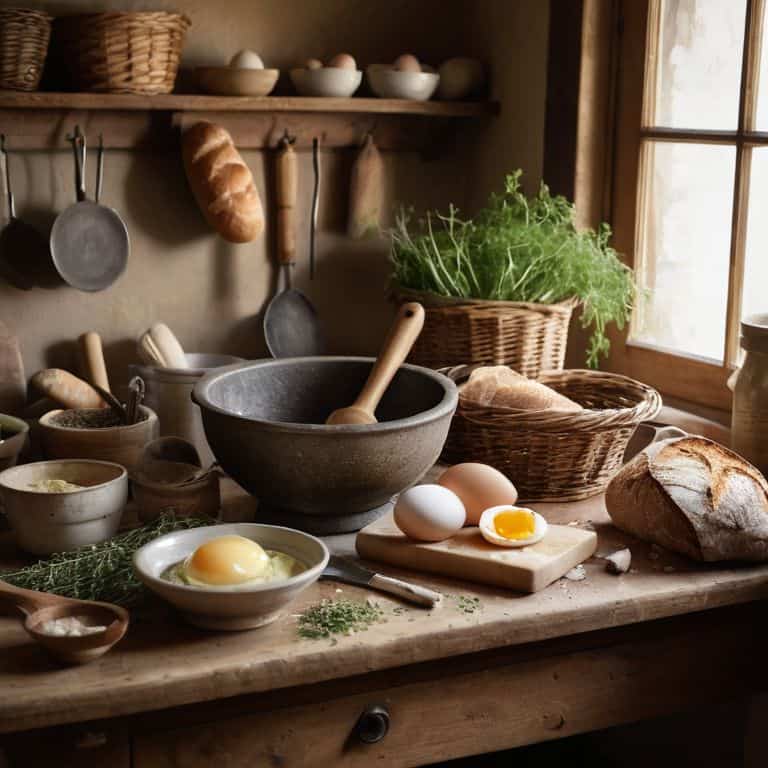
I remember sitting on my kitchen floor last winter, surrounded by half-empty mason jars and a mountain of wilted kale, feeling like I’d completely lost my spark. After months of isolation, the idea of stepping back into a crowded room felt as daunting as trying to cook a five-course meal in a kitchen with no salt. Most wellness gurus will tell you that you need a massive lifestyle overhaul or a luxury retreat to find yourself again, but honestly? That’s just expensive noise. Learning how to rebuild confidence after time alone isn’t about a sudden, dramatic transformation; it’s more like tending to a neglected herb garden—you start with the small, gritty basics and work your way up.
I’m not here to sell you a polished, filtered version of “finding yourself.” Instead, I want to share the practical, root-to-stem approach I used to find my footing again. We’re going to look at how to nourish your self-worth using the internal ingredients you already have, focusing on small, sustainable wins that actually stick. No fluff, no impossible standards—just honest, resourceful ways to help you feel like yourself again.
Healing From Social Withdrawal With Small Daily Ingredients
When I’m working with a client who’s feeling a bit stuck, I always remind them that you don’t whip up a five-course feast in one go; you start with small, manageable prep work. Rebuilding your sense of self after a long period of solitude works exactly the same way. Instead of forcing yourself into a crowded party, think of these moments as micro-nutrients for your soul. Start with tiny, low-stakes interactions—a quick “hello” to the barista or a brief chat with a neighbor. These aren’t just small talk; they are essential steps in healing from social withdrawal without overwhelming your nervous system.
Think of these tiny social bites as the “root-to-stem” approach for your mental health. You are using the small, existing pieces of your daily routine to nourish your growing courage. If you find yourself feeling hesitant, try some simple self-esteem building exercises in private first, like journaling about one thing you did well today. By layering these small wins, you’re creating a rich, stable foundation. Just like a slow-fermented sourdough, true confidence takes time to rise, but once it does, it’s incredibly resilient.
Self Esteem Building Exercises for Your Inner Kitchen
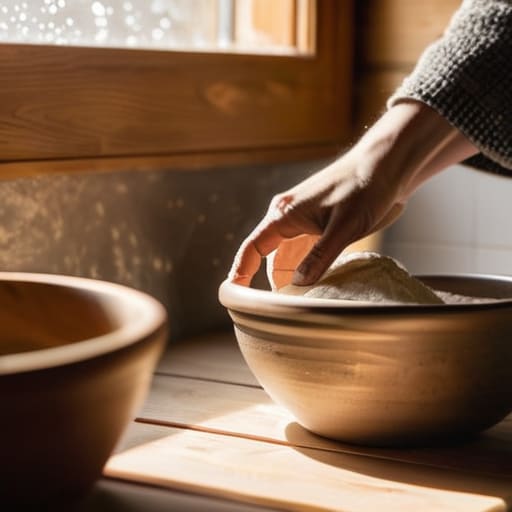
Think of your self-esteem like a sourdough starter; you can’t just whip up a perfect loaf overnight, but you can nurture the culture you already have until it’s strong enough to rise. One of my favorite self-esteem building exercises is what I call “The Micro-Win Menu.” Just like I wouldn’t try to cook a five-course feast with a single wilted leek, don’t expect to master huge social gatherings immediately. Instead, pick one tiny “ingredient”—like making eye contact with a barista or sending a quick text to a friend—and celebrate that win. These small, intentional acts act as the base for reconnecting with society after solitude, proving to yourself that you are still capable of engagement.
If you’re feeling a bit overwhelmed, try “Inventory Journaling.” In my kitchen, I check my pantry to see what’s actually useful before I shop; in your mental life, do the same. Write down three things you did well today, no matter how small. This isn’t about toxic positivity; it’s about healing from social withdrawal by accurately auditing your strengths. When you focus on your existing skills, you realize you aren’t starting from zero—you’re just reorganizing your pantry for a new season of growth.
5 Ways to Season Your Self-Worth After a Season of Solitude
- Start with “Micro-Wins” to build your base. Just like I wouldn’t try to ferment a massive batch of kimchi on my first day, don’t expect to walk into a crowded party and feel like the life of the party immediately. Pick one tiny, social “ingredient” each day—like making eye contact with the barista or sending a quick text to a friend—to slowly rebuild that muscle memory without overwhelming your system.
- Audit your internal monologue for “spoiled” thoughts. We all have those mental habits that turn sour, like that voice telling you that you’ve “lost your edge” because you’ve been alone. When you catch a self-deprecating thought, treat it like a wilted leaf in my compost bin: acknowledge it, realize it’s no longer serving you, and toss it out so you can make room for fresh, nourishing self-talk.
- Reclaim your personal space and “kitchen rhythm.” When we spend a lot of time alone, our environments can start to feel a bit stagnant. Rebuild your confidence by intentionally curating your surroundings—even if it’s just one corner of a tiny studio apartment. When you take pride in your space, you start to feel more like a person who is capable of hosting life, rather than someone just hiding from it.
- Practice “Root-to-Stem” social interaction. In my kitchen, I use the stems and peels because that’s where the nutrients are; in social rebuilding, that means leaning into the “scrappy” parts of yourself. Don’t wait until you feel “perfect” or “fully recharged” to interact with others. Bring your messy, unfinished, slightly-rusty self to the table. Authenticity is much more nourishing than a polished facade.
- Set “Nutritional Boundaries” for your energy. Just as I wouldn’t eat nothing but sugar and call it a balanced diet, you shouldn’t accept social interactions that leave you feeling depleted and hollow. Learn to say no to the “empty calories” of social pressure—the events you dread or the people who drain you—so you can save your precious energy for the meaningful connections that actually help you grow.
Bringing It All Home
Sometimes, the hardest part of stepping back into the world is realizing that the “social muscles” we used to rely on have gotten a little bit stiff from disuse. It’s a lot like trying to start a sourdough starter after a long hiatus; you can’t just expect it to be bubbling and perfect right away, and that’s okay. If you’re feeling a bit hesitant about re-engaging with others, I’ve found that finding a low-pressure way to practice connection can make a world of difference. For instance, exploring a site like adultchatcanada.com can be a gentle way to dip your toes back into conversation without the overwhelming intensity of a crowded room. It’s all about finding those small, manageable ways to reconnect at your own pace, ensuring you feel supported rather than rushed as you rebuild your social rhythm.
Rebuilding yourself after a period of isolation isn’t about a sudden, massive overhaul; it’s much more like tending to a slow-fermenting sourdough starter. You’ve learned how to handle those small, daily ingredients of self-care, practiced the exercises to strengthen your inner kitchen, and started recognizing the value in the “scraps” of your experiences. Remember, you don’t need a gourmet, five-course life to feel whole again. By focusing on consistent, nutrient-dense habits—even the tiny ones—you are slowly simmering a version of yourself that is more resilient and grounded than ever before.
As you step back out into the world, please be gentle with yourself. Some days you might feel like a perfectly balanced meal, and other days you might feel a bit wilted, and that is perfectly okay. The beauty of growth is that it’s never linear, and just like a well-stocked pantry, your capacity for joy and connection will only grow as you continue to nurture your inner resources. Trust the process, trust your progress, and most importantly, trust that you already have everything you need to cook up a beautiful, confident life.