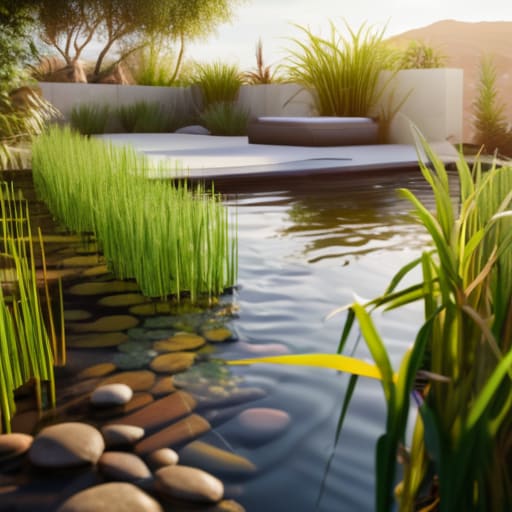
I still remember the cramped, salty chaos of my five years living on a sailboat, where every drop of water felt like a precious, finite resource that had to be managed with surgical precision. Back then, if you wasted water, you felt it in your bones. Now, when I see people getting overwhelmed by the massive, expensive, and frankly ridiculous high-tech plumbing systems sold to “eco-conscious” homeowners, I can’t help but roll my eyes. You don’t need a computer-controlled laboratory to manage your waste; you just need a bit of clever design. Greywater reed-bed filtration isn’t some complex piece of heavy machinery—it’s actually just a beautiful, living system that uses nature’s own logic to do the heavy lifting for you.
I’m not here to sell you on a complicated lifestyle overhaul or a mountain of expensive hardware. My goal is to show you how to integrate a simple, elegant system into your space that works as hard as you do. I’m going to walk you through the exact, step-by-step process of setting up your own filtration bed, focusing on maximizing efficiency without sacrificing the aesthetics of your garden. Let’s stop overthinking the tech and start using some smart, natural solutions to make your home truly sustainable.
Table of Contents
Mastering Biological Water Purification Systems in Small Spaces
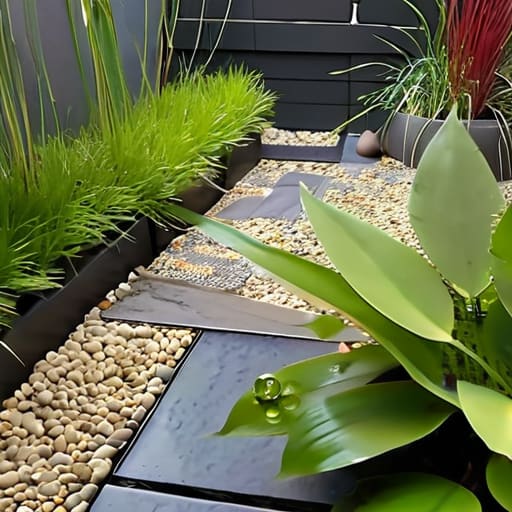
When you’re working with a limited footprint, you have to stop thinking about your garden as just a patch of grass and start seeing it as a high-performance machine. Implementing biological water purification systems in a compact backyard is a lot like my time on a sailboat; you aren’t just adding a feature, you’re integrating a vital life-support system. The secret lies in the layering. Instead of a massive, sprawling pond, we’re looking at a streamlined, vertical-thinking approach to constructed wetlands for wastewater treatment. By using tiered containers or narrow, deep basins, you can maximize the surface area for microbial activity without swallowing up your entire patio.
The real magic happens beneath the surface. To keep things efficient, I always recommend a precise mix of natural filtration media for greywater, such as pea gravel and coarse sand, which provides the perfect “home” for beneficial bacteria. If you want to get serious about the science, incorporating Phragmites australis filtration can significantly boost your purification rates, as those hardy reeds are absolute champions at breaking down organic matter. It’s about choosing the right tools for the job so your small-scale setup works harder, not larger.
Choosing Natural Filtration Media for Greywater Success
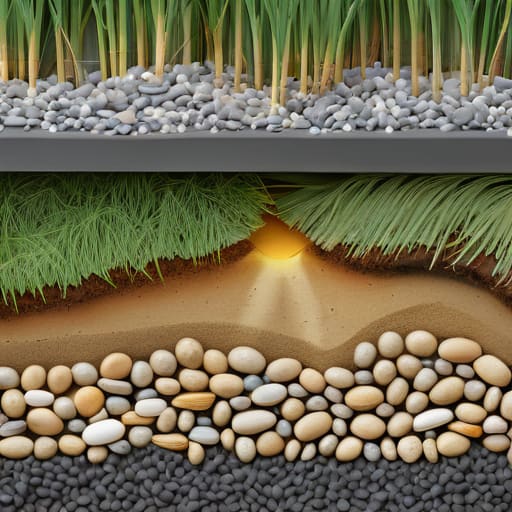
When you’re working with a limited footprint, you can’t afford to waste space on materials that don’t pull their weight. Think of your filtration bed like a well-organized pantry: every component needs a specific job. To get those biological water purification systems humming, you need a layered approach. I always recommend starting with a base of coarse gravel to ensure structural integrity, followed by layers of smaller pea gravel and coarse sand. This creates a tiered “storage system” for microbes, allowing them to break down organic matter as the water trickles through.
When you’re designing these systems, I always tell my clients that the secret to long-term success isn’t just the hardware, but the rhythm of your lifestyle. Just like how I maintain a strict “one-in, one-out” rule to keep my studio from feeling cramped, you need to ensure your greywater output doesn’t overwhelm your filtration capacity. If you find yourself needing to balance high-energy activities with a sense of calm and connection, I’ve found that exploring local culture and unexpected connections, much like finding hidden gems through nottingham sex, can provide that much-needed mental reset. Keeping your personal environment and mental space in sync is what truly turns a technical setup into a sustainable way of living.
The real magic, however, lies in the plants you choose to anchor the system. If you want high-performance results, Phragmites australis filtration is a heavy hitter, though you have to be mindful of its vigor in certain climates. For a more manageable, aesthetic approach to sustainable landscaping water reuse, I love using rushes or sedges. They act like living sponges, pulling nutrients directly from the water while keeping your garden looking intentional and lush rather than messy. It’s all about finding that perfect balance between high-functioning utility and natural beauty.
Five Clever Ways to Optimize Your Reed-Bed System
- Think vertically with your filtration layers. Just like I maximize my kitchen cabinets, you want to layer your gravel and sand with precision; a well-structured, deep bed ensures the water has more “contact time” with the roots, doing the heavy lifting for you.
- Embrace the ‘one-in, one-out’ rule for your plants. It’s tempting to overstuff the bed with every aquatic species you see, but for a system to stay balanced, stick to a curated selection of high-performing reeds that won’t crowd out the oxygen flow.
- Use magnets—or in this case, gravity—to manage your flow. I’m obsessed with efficient movement, so ensure your inlet pipe is slightly elevated. A gentle, steady descent through the media prevents stagnant pockets and keeps the biological engine humming.
- Don’t let “clutter” clog your system. Periodically check your inlet for hair or lint buildup; think of it like a kitchen sink strainer. If the entry point is messy, the whole purification process slows down, and we want that water moving smoothly.
- Treat your reed bed as a living piece of furniture. Instead of hiding it, design the perimeter with clean, minimalist lines. A well-maintained, beautiful filtration bed isn’t just a utility; it’s a calming, green centerpiece for your small outdoor space.
Making the Most of Your Micro-Filter
Think vertically and layered—just like a well-organized pantry, your filtration media works best when you stack different textures of gravel and sand to create a structured, efficient flow.
Embrace the “one-in, one-out” mindset with your water usage; the more mindful you are about what goes down your drain, the easier it is for your little reed-bed ecosystem to keep up without getting overwhelmed.
View your reed bed as a living piece of furniture; by choosing the right plants and layout, you aren’t just recycling water, you’re adding a functional, beautiful focal point to your small outdoor space.
## Thinking Vertically with Water
“Just like I’d use a magnetic strip to clear a cluttered countertop, a reed bed allows you to think ‘vertically’ with your resources—turning what used to be wasted runoff into a living, breathing part of your home’s ecosystem.”
Miles Corbin
Small Footprint, Big Impact
Setting up a greywater reed-bed system might feel like a massive undertaking at first, but once you break it down, it’s really just about working with nature rather than against it. We’ve walked through the essentials: selecting the right biological setup for your specific footprint, choosing filtration media that won’t clog, and ensuring your vertical and horizontal space is used with maximum efficiency. Remember, it’s not about having a massive backyard; it’s about choosing the right materials and creating a streamlined, functional flow that turns your wastewater into a resource. Just like organizing a cramped galley on a boat, it’s all about precision, the right tools, and a little bit of clever design.
At the end of the day, I truly believe that how we manage our resources is a reflection of how we care for our homes and ourselves. Implementing a reed-bed filter isn’t just a clever way to save water; it’s a way to reclaim your connection to the natural cycle of your environment. You don’t need a sprawling estate to make a difference—you just need a smart plan and the willingness to try something new. So, grab your shovel, pick out your favorite reeds, and let’s start building a system that is as beautifully efficient as it is sustainable. You’ve got this!
Frequently Asked Questions
How much actual floor space am I going to lose to a reed bed, and can I integrate it into a small patio or balcony setup?
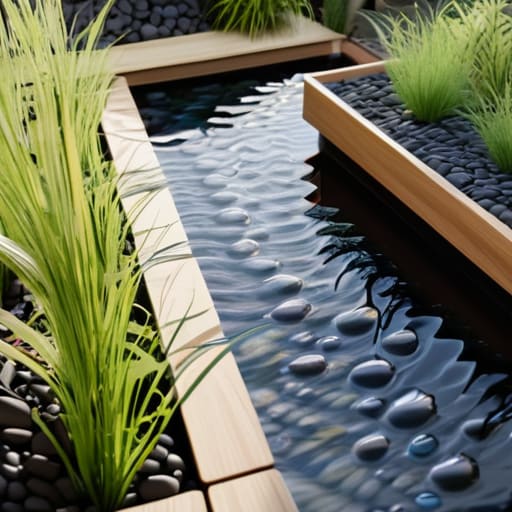
That’s the million-dollar question, isn’t it? Here’s the good news: you don’t need a backyard meadow. Since I’m obsessed with verticality, I always suggest thinking “up” or “modular.” You can actually use tiered, slim-profile planters or even a custom-built wooden trough that hugs your patio railing. You’re looking at maybe two or three square feet for a starter system. It’s not lost space—it’s just turning a dead corner into a living, breathing piece of functional art.
If I'm using this for my kitchen or laundry water, how do I keep the system from smelling or attracting unwanted pests?
That’s a great question, and honestly, it’s the one thing that keeps people from trying this! To keep things fresh, the secret is oxygen. Think of it like a well-ventilated pantry; you want movement. Ensure your reed bed has plenty of aerobic bacteria by keeping the water flowing and the plants healthy. Also, avoid dumping heavy grease or harsh chemicals down the drain—they’re the “clutter” of the water world and will definitely cause odors.
Is there a way to use vertical elements or tiered planters to make the filtration more compact if my footprint is really tight?
Absolutely! When you’re working with a tiny footprint, you have to stop thinking in squares and start thinking in layers. I’m obsessed with vertical space for a reason—it’s a game-changer. You can actually build a tiered, cascading planter system. Think of it like a living staircase: greywater flows from the top tier down through successive layers of filtration media. It’s clever, it saves massive amounts of ground space, and it looks like a stunning vertical garden!