I still remember the smell of stale cafeteria air and the deafening hum of fluorescent lights as I stared at a textbook that felt more like a brick than a gateway to knowledge. I was sitting there, completely checked out, wondering when “learning” was supposed to actually feel alive. That’s the problem with most modern schooling; it treats curiosity like a chore to be managed rather than a fire to be stoked. We’ve been sold this lie that true growth happens in silence behind a desk, but I’m here to tell you that real Ed-venture (Educational adventure) doesn’t happen in a cubicle—it happens when you’re actually out there, getting your hands dirty and making mistakes.
Look, I’m not here to sell you some overpriced, polished curriculum or a “revolutionary” pedagogical theory wrapped in academic jargon. I’ve been in the trenches, and I know what actually sticks when the bell rings. In this post, I’m stripping away the fluff to give you the unfiltered truth about how to turn any lesson into a genuine expedition. We’re going to talk about practical, high-impact ways to spark that drive without needing a massive budget or a PhD.
Table of Contents
Experiential Learning Through Travel Real World Mastery
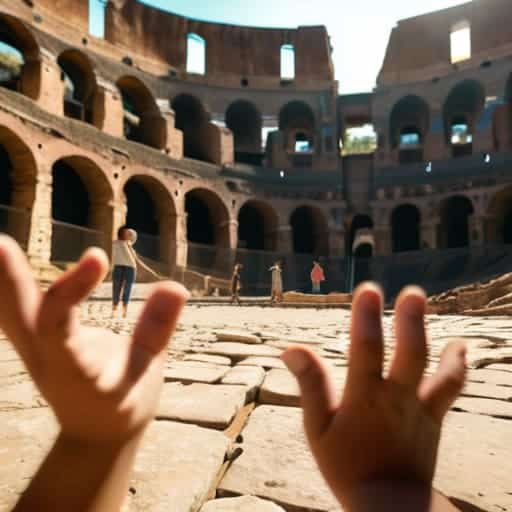
Think about the difference between reading a chapter on the Roman Empire and actually standing in the middle of the Colosseum, feeling the heat of the sun on ancient stone. That’s the magic of hands-on history exploration. When kids step out of the classroom and into a different time and place, the information stops being something they just memorize for a test and starts being something they feel. It turns abstract dates and names into a living, breathing reality that sticks with them long after they’ve unpacked their bags.
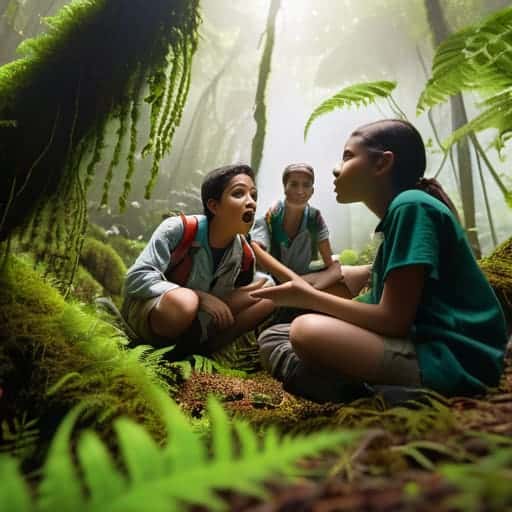
It’s not just about sightseeing, though; it’s about the messy, beautiful process of experiential learning through travel. Whether they are navigating a bustling market in Tokyo or trekking through a rainforest, students are forced to solve real problems in real time. They aren’t just passive observers; they are active participants in a world that doesn’t come with a textbook answer key. This kind of grit and adaptability is exactly what builds true confidence, turning a simple trip into a masterclass in life skills.
Outdoor Classroom Adventures Where Nature Becomes the Teacher
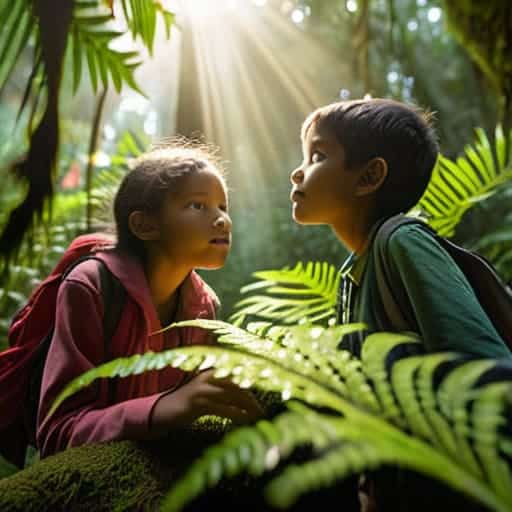
Forget the four walls of a traditional classroom and the stale smell of whiteboard markers. When we talk about outdoor classroom adventures, we’re talking about trading fluorescent lights for actual sunlight. There is a profound, almost visceral difference between reading about photosynthesis in a textbook and standing in a dense rainforest, watching the light filter through a canopy that’s actually breathing around you. Nature doesn’t just provide a backdrop; it becomes the primary instructor, demanding a level of sensory engagement that no iPad can replicate.
Of course, finding the right balance between structured curriculum and raw exploration can be tricky, especially when you’re trying to map out a trip that actually sticks. If you’re looking to bridge that gap, I’ve found that checking out local community resources or niche interest groups can provide some unexpectedly brilliant insights into how people actually connect with their surroundings. For instance, sometimes the most authentic way to understand a culture or a local scene is to dive straight into the social fabric of a city, much like how exploring the local pulse in places like casual sex leicester can offer a raw, unfiltered look at how people interact when the formal structures are stripped away. It’s all about finding those genuine connections that a textbook simply can’t simulate.
When kids step into the wild, they aren’t just “studying” biology or ecology—they are living it. This kind of hands-on discovery turns abstract concepts into tangible realities. Instead of memorizing a list of soil types, they’re kneeling in the dirt, feeling the texture and understanding the ecosystem’s delicate balance through touch and observation. It shifts the entire dynamic from passive consumption to active investigation, proving that the most profound lessons aren’t found in a syllabus, but in the dirt under our fingernails.
How to Stop Teaching and Start Exploring
- Stop obsessing over the syllabus. If you’re out in the field and a sudden storm rolls in or a local guide starts telling a wild story, pivot. The best “ed-ventures” happen when you follow the curiosity that actually shows up in front of you, not just what’s written in the lesson plan.
- Get your hands dirty (literally). You can read about soil pH for a decade, but it doesn’t mean squat until you’re kneeling in the mud trying to figure out why a specific plant is wilting. If there isn’t a chance to touch, break, or build something, it’s just a field trip, not an adventure.
- Embrace the “Beautiful Mess.” Real-world learning is chaotic. People get lost, gear fails, and things don’t go according to plan. Instead of seeing a logistical hiccup as a failure, treat it as a live problem-solving lab. That’s where the actual grit is built.
- Ditch the lecture, bring the questions. Instead of walking into a new environment with all the answers, walk in with a list of “I wonder why…” questions. Let the environment provide the answers through observation rather than just handing them out via a PowerPoint.
- Build a “Failure Buffer.” When you’re venturing outside the classroom, the stakes feel higher and the mistakes feel more permanent. Give yourself—and your students—the permission to mess up. An adventure where everything goes perfectly is just a controlled tour; an adventure where things go wrong is where the real mastery lives.
The Bottom Line: Why Adventure Wins
Stop treating textbooks like the final word; use the real world as your primary source to turn abstract theories into actual, muscle-memory skills.
Swap the four walls of a classroom for the unpredictable chaos of nature, because the best lessons are the ones you actually have to navigate in real-time.
Shift the focus from passive listening to active doing, ensuring that knowledge isn’t just memorized for a test, but lived through experience.
The Heart of the Ed-venture
“Stop trying to cram the world into a textbook and start letting the world leak into the classroom. Real learning doesn’t happen when you’re staring at a whiteboard; it happens when you’re standing in the middle of a challenge, realizing that the lesson isn’t just something you read—it’s something you survive and master.”
Writer
The Adventure Starts Now
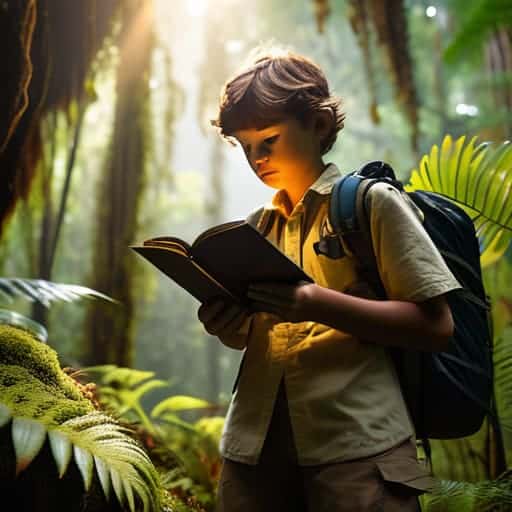
At the end of the day, we’ve seen that the most profound lessons aren’t found in the back of a dusty textbook or under the hum of fluorescent lights. Whether it’s mastering a new skill through the grit of international travel or finding the rhythm of biology in the middle of a forest, “ed-venture” is about closing the gap between theory and reality. It’s about moving past passive listening and stepping into a world where knowledge is something you actually do, not just something you memorize for a Friday quiz. By blending curiosity with movement, we turn education from a chore into a living, breathing experience.
So, my challenge to you is this: stop waiting for the “perfect” time to learn something new. Don’t wait for a syllabus to give you permission to explore the world around you. The most important classroom you will ever enter doesn’t have walls, and the best teachers are often the landscapes, the cultures, and the unexpected challenges that force you to grow. Go out there, get your hands dirty, and start treating the entire planet as your personal laboratory. The world is far too big to stay seated—it’s time to go explore it.
Frequently Asked Questions
How do you actually balance the chaos of an adventure with a structured curriculum?
The secret? Don’t try to control the chaos—curate it. Think of your curriculum as a compass, not a rigid map. You aren’t looking for every student to follow a straight line; you’re just making sure they’re heading in the right direction. Set clear, high-level learning objectives before you head out, then let the messy, unpredictable moments serve as the “case studies.” When things go sideways, that’s not a distraction—that’s where the real teaching happens.
Is this approach only for wealthy schools, or can it work on a tight budget?
Look, I get it. When you hear “adventure,” you think private jets and expensive excursions. But that’s a total myth. Ed-venture isn’t about the price tag; it’s about the perspective. You don’t need a plane ticket to learn biology; a hike through the local woods does the trick. You don’t need a museum pass to study history; a scavenger hunt through your own downtown works wonders. It’s about curiosity, not a massive budget.
How do we measure if students are actually learning something vs. just having a blast?
It’s the million-dollar question, isn’t it? If they’re just eating s’mores and laughing, are they actually growing? The secret is moving the “test” away from a bubble sheet and into the moment. Instead of a quiz, ask them to solve a real-world problem using what they just saw. If they can explain the why behind the adventure—or apply a concept to a new challenge—that’s not just fun; that’s mastery.