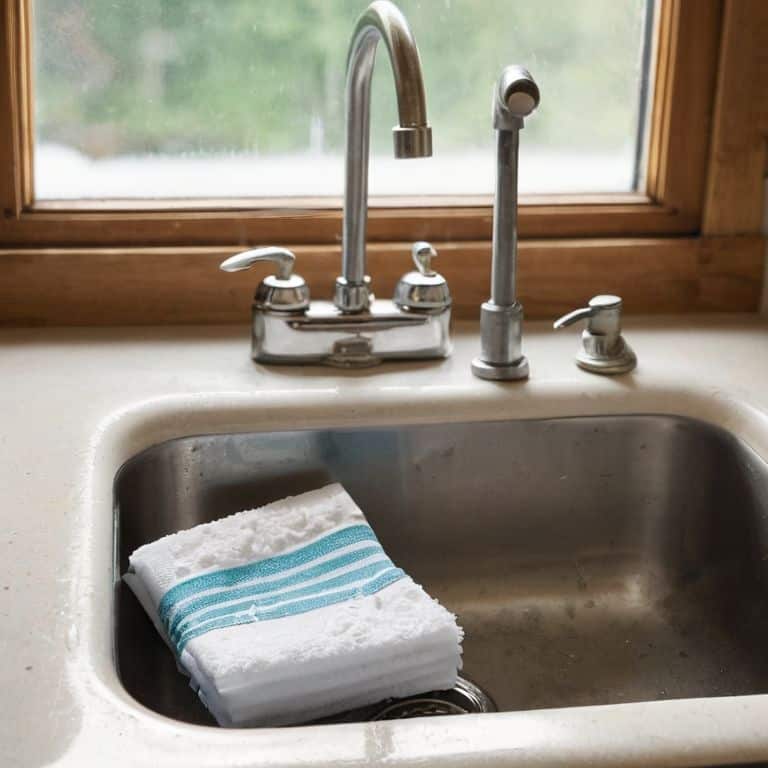
I still remember the first time I had to wash dishes in my tiny kitchen’s sink – it was a frustrating experience, to say the least. The common myth is that washing dishes efficiently requires a lot of space, but I’m here to tell you that’s just not true. In fact, I’ve found that how to wash dishes efficiently in a small sink is all about strategy and workflow optimization. With the right approach, you can get the job done quickly and easily, even in the smallest of spaces.
In this article, I’ll share my personal tips and tricks for streamlining your dishwashing process, so you can spend less time at the sink and more time enjoying your tiny kitchen. You’ll learn how to maximize your space and make the most of your small sink, all while keeping your dishes clean and your sanity intact. From clever hacks to practical advice, I’ll give you the honest, no-hype guidance you need to make washing dishes in your small sink a breeze. So, let’s dive in and explore the world of efficient dishwashing in small spaces!
Table of Contents
Guide Overview: What You'll Need

Total Time: 30 minutes to 1 hour
Estimated Cost: $0 – $10
Difficulty Level: Easy
Tools Required
- Dish soap mild and efficient
- Sponge or dish cloth soft and absorbent
- Warm water comfortable for hands
- Drying towel for drying hands and dishes
Supplies & Materials
- Dish rack compact, to hold dishes in the small sink, approximately 12 inches wide
- Dishwasher detergent (optional) for extra cleaning power
Step-by-Step Instructions
- 1. First, let’s start by preparing the sink area. Clear any clutter or obstacles around the sink to create a clean and efficient workspace. This includes putting away any clean dishes, utensils, or appliances that may be taking up valuable space. By doing so, you’ll be able to focus on the task at hand and avoid any distractions.
- 2. Next, gather all the dirty dishes, pots, and pans, and sort them by type. This means separating delicate items like glassware and fine china from heavier, bulkier items like pots and pans. This simple step will help you prioritize which items to wash first and ensure that you’re using the right amount of water and soap for each load.
- 3. Now it’s time to optimize your water usage. Fill the sink with the right amount of water for the number of dishes you need to wash. As a general rule, I like to use about 2-3 gallons of water for a standard load of dishes. This may vary depending on the size of your sink and the number of dishes, but the key is to use just enough water to get the job done without wasting any.
- 4. With your water at the ready, it’s time to add some soap. I recommend using a high-efficiency dish soap that’s specifically designed for small sinks and low-water usage. These soaps are usually more concentrated than regular dish soap, which means you can use less of it to get the same cleaning power. Plus, they’re often gentler on the environment and your hands.
- 5. Now it’s time to start washing those dishes. Begin with the most delicate items first, such as glassware or fine china. Use a soft-bristled brush or a non-abrasive sponge to gently scrub away any food residue. Be sure to rinse each item thoroughly before moving on to the next one to avoid any soap or food particles from being transferred.
- 6. As you work your way through the dishes, be sure to rinse and repeat as needed. This will help prevent any soap or food residue from building up and making the cleaning process more difficult. It’s also a good idea to rinse each item in warm water to help sanitize and remove any remaining soap residue.
- 7. Once you’ve washed and rinsed all the dishes, it’s time to dry and put them away. Use a clean towel to dry each item, paying extra attention to any items that are prone to water spots, such as glassware or stainless steel. By drying each item individually, you’ll be able to prevent water spots and keep your dishes looking their best. Plus, you’ll be able to put them away in their designated storage spaces, keeping your kitchen tidy and organized.
Efficient Dish Washing
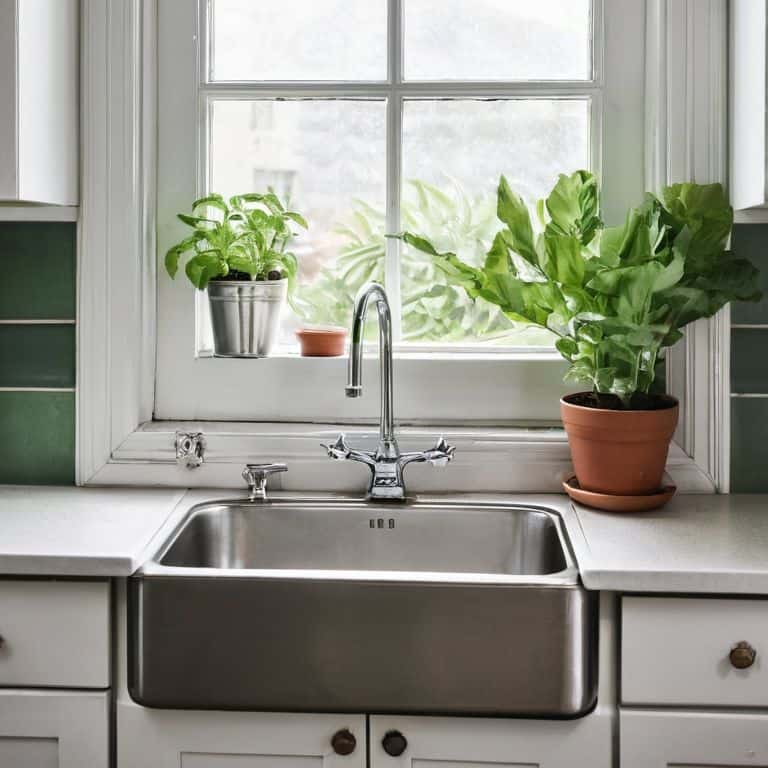
When it comes to efficient dish washing, I’ve found that small sink organization ideas can make all the difference. By optimizing the space around your sink, you can reduce clutter and make the washing process smoother. For instance, I like to use a dish soap that’s gentle on my hands, such as a dish soap for sensitive hands, to avoid any irritation.
In terms of technique, I’m a big fan of the one basin dish washing method. This approach not only saves water but also reduces the amount of time spent washing and rinsing. To take it to the next level, I recommend using water saving dish washing techniques such as soaking dishes before washing or using a washcloth to wipe down utensils.
To further streamline the process, consider investing in an efficient dish drying rack. This will not only help to dry your dishes quickly but also keep them organized and out of the way. Additionally, wearing dish washing gloves for protection can provide an extra layer of comfort and hygiene during the washing process. By implementing these strategies, you’ll be well on your way to creating a seamless dish washing workflow in your tiny kitchen.
Small Sink Organization Ideas
To take your dish washing efficiency to the next level, it’s crucial to organize your small sink area. I’m a big believer in the concept of “a place for everything,” and this principle is especially important in a tiny kitchen. By designating a specific spot for your dish soap, sponge, and towel, you can save time and reduce clutter.
I like to use a small, wall-mounted tray to keep my dish washing essentials within easy reach. This simple hack has been a game-changer for my tiny kitchen, and I think it could make a big difference for you too. By keeping your sink area organized, you can focus on the task at hand and get back to cooking and enjoying your space.
Water Saving Dish Washing Techniques
To take your dish washing efficiency to the next level, it’s essential to consider water-saving techniques. In a tiny kitchen, every drop counts. I’ve found that using a basin or a large container to catch and reuse water for rinsing can make a significant difference. This simple hack not only saves water but also reduces the amount of heat needed for warming it up.
By implementing this technique, you can minimize water waste and make the most out of your small sink. I like to call it “water cascading” – where you use the same water for multiple tasks, starting from washing to rinsing, and finally, for wiping down the sink area. It’s all about optimizing your workflow and being mindful of resources, even in the smallest of kitchens.
Dishwashing Hacks for Tiny Kitchens
- Treat Your Sink as a Workspace: Divide it into zones for soaping, rinsing, and drying to maintain a smooth workflow
- Choose the Right Tools: Opt for a compact dish rack and a soft-bristled brush that can reach into small spaces and corners
- Prioritize the Messiest Items First: Tackle greasy pans and utensils before they harden, making the cleaning process more efficient
- Implement a ‘One-Touch’ Rule: Try to put items away in their designated place as soon as they’re clean to avoid clutter and save time
- Rinse and Repeat with Precision: Use a spray nozzle or a cup to control water flow, ensuring you use just the right amount for each item and minimizing waste
Key Takeaways for Tiny Kitchen Dishwashing Efficiency
Optimize your sink space with strategic placement of dish soap, sponges, and scrubbers to reduce clutter and increase washing speed
Implement water-saving techniques such as soaking dishes, using a ‘wash, rinse, sanitize’ sequence, and leveraging the power of hot water to reduce grease and food residue
Apply workflow principles to your dishwashing routine, including sorting and prioritizing dishes, using a ‘clean as you go’ approach, and designating a specific drying area to maintain a clutter-free kitchen
The Key to Tiny Kitchen Harmony
Washing dishes in a small sink isn’t about the size of the space, it’s about the size of your strategy – with the right techniques and tools, even the tiniest sink can become a dishwashing powerhouse!
Leo Vance
Effortless Dishwashing in Tiny Kitchens

As we’ve explored throughout this guide, washing dishes efficiently in a small sink requires a combination of strategic planning, optimized workflow, and the right techniques. From organizing your sink area to implementing water-saving methods, every detail counts when it comes to making the most of your tiny kitchen’s capabilities. By applying the principles outlined in this article, you’ll be well on your way to transforming dishwashing from a chore into a streamlined process that fits seamlessly into your daily routine.
So, the next time you’re faced with a pile of dirty dishes in your small sink, remember that it’s not about the size of your space, but about how you choose to maximize its potential. With a little creativity and a lot of efficiency-driven thinking, you can turn even the most mundane tasks into opportunities for growth and improvement. Happy cooking, and don’t let your tiny kitchen hold you back from whipping up your next big culinary masterpiece!
Frequently Asked Questions
How can I optimize my dishwashing workflow to minimize water usage in a small sink?
To minimize water usage, I recommend implementing a ‘wash-soak-rinse’ sequence, using a dish rack to hold items, and applying the ‘one-pot’ rule to reduce the number of items to wash. This approach, combined with a low-flow faucet, can significantly reduce water consumption in your small sink.
What are some creative ways to store and organize dishwashing supplies in a tiny kitchen with limited counter space?
For tiny kitchens, I swear by wall-mounted dish racks and magnetic strips to store soap, sponges, and scrubbers, keeping counters clutter-free. I also 3D print custom holders for my dish soap and towels, maximizing space beneath the sink. It’s all about optimizing every inch!
Are there any specific dishwashing tools or gadgets that are designed specifically for small sinks and can help improve efficiency?
I swear by a few game-changing tools for tiny sinks, like a compact dish rack and a soft-bristled brush for tight spaces. I also recommend a sink-mounted dish scrubber and a faucet aerator to optimize water flow. These clever gadgets have revolutionized my own tiny kitchen’s dishwashing workflow, and I’m excited to share them with you!