I still remember the day I realized that how to organize your pantry for healthy eating wasn’t just about having a lot of space, but about being intentional with what you have. I was working in a community health clinic, and a client was struggling to make healthy meals with a tiny kitchen and an even smaller budget. It was then that I saw the impact of a cluttered pantry on healthy eating habits – it’s not just about the food, but about the mindset. A cluttered pantry can be overwhelming, making it harder to stick to your healthy eating goals.
In this article, I’ll share my personal tips and tricks for turning your pantry into a haven for wholesome goodies. You’ll learn how to simplify your pantry, get rid of unnecessary items, and make the most of what you have. I’ll show you that healthy eating is possible, even with limited space and budget. By the end of this guide, you’ll have a clear plan to organize your pantry, making it easier to whip up healthy meals from scratch. My goal is to empower you with practical advice, so you can focus on nourishing your body, rather than stressing about what’s in your pantry.
Table of Contents
Guide Overview: What You'll Need

Total Time: 2 hours 30 minutes
Estimated Cost: $50 – $100
Difficulty Level: Intermediate
Tools Required
- Measuring Tape (for measuring pantry shelves)
- Label Maker (for labeling food categories)
- Step Stool (for reaching high shelves)
Supplies & Materials
- Stackable Containers (for storing dry goods)
- Adjustable Shelf Dividers (for customizing shelf space)
- Pantry Organizer Bins (for storing snacks and ingredients)
- Chalkboard Labels (for labeling containers and bins)
- 6 inches x 6 inches Turntable (for easy access to food items)
Step-by-Step Instructions
- 1. First, let’s start by purging our pantry of any expired, spoiled, or unhealthy items that can derail our healthy eating efforts. Take everything out of your pantry and sort items into three categories: keep, donate, and discard. Be honest with yourself – if you haven’t used it in the past year, it’s probably safe to get rid of it. As you’re sorting, take note of the items you use most frequently and think about how you can make them more accessible.
- 2. Next, give your pantry a good deep clean. Wipe down the shelves with a mixture of soap and warm water, and let them dry completely before putting anything back. This is also a great opportunity to check for any signs of pests or moisture issues that could affect the quality of your stored food. While you’re at it, consider investing in some airtight containers or baskets to help keep your pantry organized and pest-free.
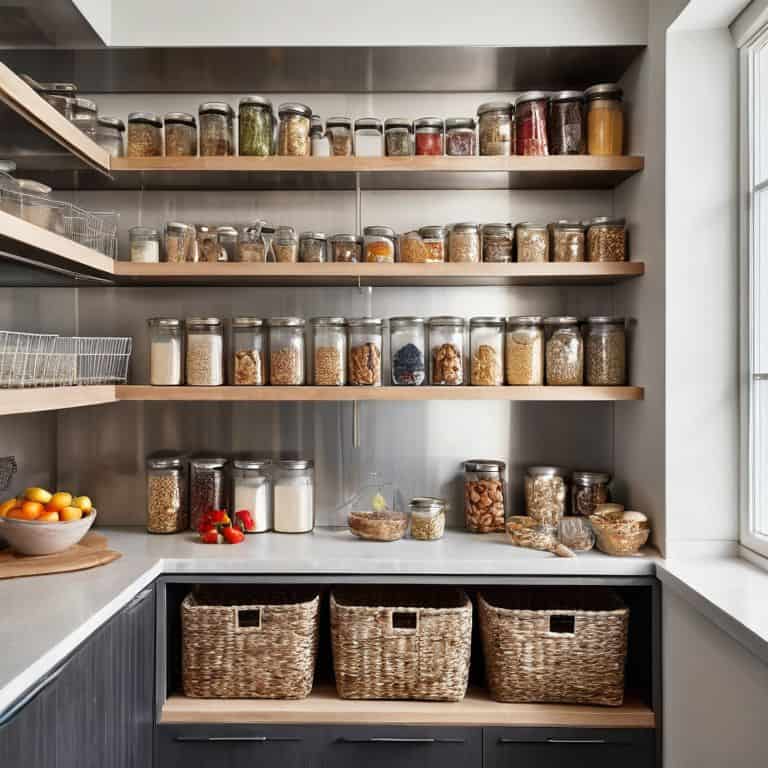
- 3. Now it’s time to think about the layout of your pantry. Consider the items you use most frequently and group them together in an easy-to-reach location. For me, that means keeping my favorite spices and oils at eye level, and storing less frequently used items like special occasion dishes or cookbooks on higher or lower shelves. Don’t forget to leave some space between items for easy access and to prevent clutter from building up again.
- 4. One of my favorite tips for maintaining a healthy pantry is to implement a “first in, first out” policy. This means that the oldest items in your pantry should be stored in front of newer ones, so they get used up before they expire. You can also use stickers or labels to keep track of when items were purchased or opened. This simple system can help reduce food waste and ensure that you’re always using the freshest ingredients.
- 5. In addition to organizing your pantry, it’s also important to think about meal planning and how you can use the items you have on hand to create healthy, balanced meals. Take some time to plan out your meals for the week, and make a list of the ingredients you need to pick up at the store. This can help you avoid buying duplicate items or letting food go to waste. You can also use this opportunity to get creative with new recipes or cooking techniques.
- 6. Another key aspect of maintaining a healthy pantry is to shop smart. When you’re at the store, try to buy items in bulk or in season to reduce packaging waste and save money. You can also look for items that are sold in minimal packaging, such as loose produce or grains. By being mindful of your shopping habits, you can reduce your environmental impact and create a more sustainable pantry.
- 7. Finally, let’s talk about maintenance. Organizing your pantry is just the first step – to keep it running smoothly, you’ll need to set aside some time each week to tidy up and make sure everything is still in its place. This can be as simple as wiping down the shelves, checking expiration dates, or restocking your most frequently used items. By making maintenance a habit, you can keep your pantry organized and ensure that you’re always able to find what you need when you need it.
Pantry Bliss Found

As I reflect on my journey to a more organized pantry, I realize that maximizing pantry storage space was key to maintaining a healthy and sustainable food system. By utilizing every nook and cranny, I was able to store a variety of healthy snack options for kids, making it easier for them to make nutritious choices. This not only benefited their health but also reduced food waste and saved us money in the long run.
Implementing a first in first out inventory system has been a game-changer in keeping our pantry organized and ensuring that we use up ingredients before they expire. I also make it a point to regularly check food expiration date tracking to avoid any unnecessary waste. By doing so, I’ve been able to create a system that is both efficient and effective in maintaining a well-stocked pantry.
To take my pantry organization to the next level, I’ve started using customizable pantry labels to categorize and identify different ingredients. This has made it easier for me to find what I need quickly and has also helped me to come up with pantry shelving ideas on a budget. By being creative and resourceful, I’ve been able to create a pantry that is not only functional but also beautiful and inspiring.
Maximizing Storage for Healthy Delights
Now that we’ve achieved pantry bliss, let’s talk about maximizing storage for those healthy delights. I’m obsessed with using every nook and cranny to store my nutrient-dense staples. My go-to trick is utilizing mason jars to store everything from quinoa to homemade granola. Not only do they keep ingredients fresh, but they also add a touch of rustic charm to my tiny pantry.
I also love repurposing old containers to store spices, nuts, and seeds. It’s amazing how a little creativity can turn a cluttered space into a functional haven. By making the most of my storage, I can easily whip up healthy meals and snacks, from fermented kimchi to hearty stews, all while reducing waste and saving time.
Tracking Expiration Dates With Ease
To keep my tiny pantry running smoothly, I swear by a simple expiration date tracking system. I use a mason jar and a piece of chalk to mark down when I store something, making it easy to see what’s nearing its end date. This way, I can plan meals around what needs to be used up first, reducing waste and saving money.
By incorporating this habit into my routine, I’ve found that I’m able to use up almost every ingredient before it goes bad, which is a huge win for my wallet and the environment. It’s all about being mindful of what you have on hand and making the most of it – a key principle of root-to-stem cooking that I love.
Nourish & Flourish: 5 Essential Tips to Organize Your Pantry for Healthy Eating
- Purge and declutter your pantry to get rid of expired or unhealthy items, making space for wholesome foods
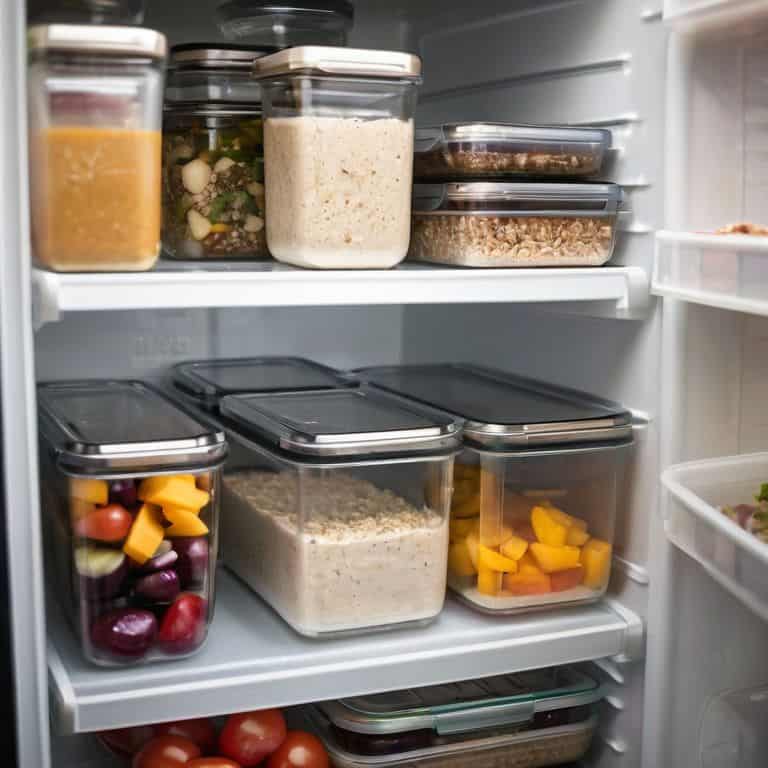
- Store food items in airtight, labeled containers to maintain freshness and make meal planning easier
- Implement a ‘first-in, first-out’ policy to ensure older items are consumed before they expire, reducing food waste
- Designate a specific area for spices, oils, and condiments to keep them organized and within reach
- Keep a ‘pantry staples’ list to ensure you never run out of essentials like whole grains, canned goods, and nutritious snacks
Nourishing Your Way: 3 Key Takeaways
Embracing a mindful approach to pantry organization can transform the way you cook and eat, making healthy choices easier and more enjoyable
By implementing simple storage solutions and tracking expiration dates, you can reduce food waste and make the most of your grocery budget
Remember, a well-stocked pantry is not about having a lot of space, but about being intentional with what you have – and with a little creativity, you can whip up nutritious meals that nourish your body and soul
Pantry Wisdom
A well-organized pantry is not just about tidy shelves, it’s about cultivating a mindset that values every ingredient and honors the journey from seed to plate.
Jenna Matthews
Nourishing Your Way to a Healthier You
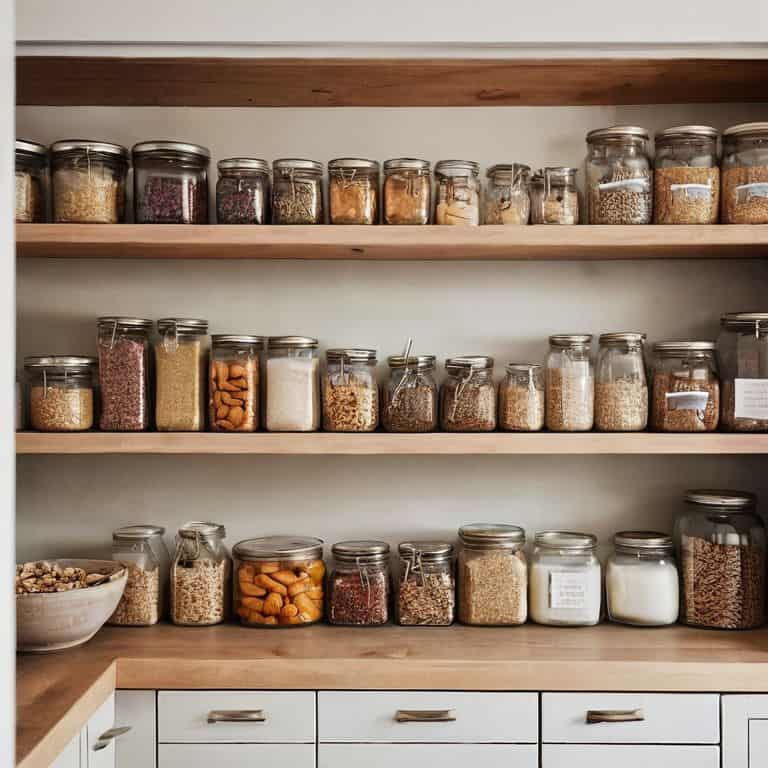
As we’ve journeyed through the process of organizing your pantry for healthy eating, I hope you’ve picked up some valuable tips and tricks to make the most of your space. From maximizing storage to tracking expiration dates, it’s all about creating a system that works for you and your unique needs. By implementing these strategies, you’ll be well on your way to reducing food waste, saving money, and most importantly, nourishing your body with wholesome, delicious meals. Remember, a well-stocked pantry is key to unlocking a world of healthy possibilities.
So, as you close this chapter and embark on your own pantry organization journey, I want to leave you with a final thought: healthy eating is a journey, not a destination. It’s about embracing the process, being kind to yourself, and finding joy in the simple act of cooking with love. Don’t be too hard on yourself if things don’t turn out perfectly at first – it’s all about progress, not perfection. With time, patience, and practice, you’ll be whipping up healthy meals like a pro, and your body (and the planet) will thank you.
Frequently Asked Questions
How can I purge my pantry of unhealthy snacks without feeling like I'm wasting money?
Don’t worry, friend! I’ve been there too. When purging your pantry, try to view it as an investment in your health, not a waste of money. Consider donating unopened items or finding creative ways to repurpose them, like using old granola for homemade trail mix.
What are some creative ways to use mason jars for pantry storage and organization?
I adore using mason jars for pantry storage – they’re perfect for storing nuts, seeds, and grains. I also use them to portion out spices and herbs, and even as a container for my homemade ferments like kimchi and kombucha. Plus, they’re great for making overnight oats or salad jars – the possibilities are endless!
How often should I review and update my pantry inventory to ensure I'm using up ingredients before they expire?
I like to do a quick pantry audit every week, just to ensure I’m using up ingredients before they expire. I also set a monthly reminder to do a deeper dive, checking expiration dates and making a meal plan around what needs to be used up – it’s a great way to reduce waste and get creative with recipes!