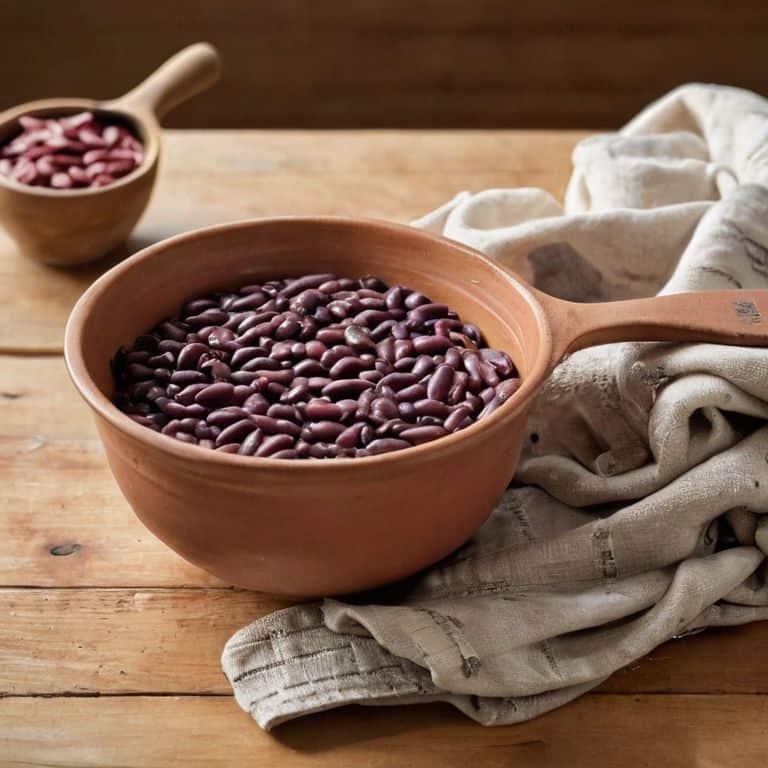
I still remember the first time I tried to cook dried beans from scratch – it was a game-changer for my tiny kitchen and my wallet. I had always been intimidated by the process, but after learning the simple tricks, I was hooked. The myth that cooking dried beans is time-consuming and tedious is just that – a myth. In reality, it’s a straightforward process that can be mastered with a few basic ingredients and some patience. I’ve found that using what you have is key to making delicious meals, and dried beans are the perfect example of this.
In this article, I’ll share my honest, no-hype advice on how to cook dried beans from scratch, from sorting and soaking to seasoning and serving. You’ll learn how to make the most of this affordable and nutritious ingredient, reducing food waste and saving money in the process. I’ll walk you through my favorite methods for preparing dried beans, including some budget-friendly tips and creative recipes to get you started. Whether you’re a beginner or an experienced cook, you’ll find that cooking dried beans from scratch is a simple and rewarding process that can elevate your meals and nourish your body.
Table of Contents
- Guide Overview: What You'll Need
- Step-by-Step Instructions
- Reviving Dried Beans
- My Top 5 Secrets to Cooking Delicious Dried Beans from Scratch
- Nourishing Your Way: 3 Key Takeaways for Delicious, Waste-Free Meals
- The Simple Wisdom of Scratch Cooking
- Embracing the Joy of Scratch Cooking
- Frequently Asked Questions
Guide Overview: What You'll Need

Total Time: 1 hour 30 minutes to 5 hours
Estimated Cost: $5 – $15
Difficulty Level: Easy
Tools Required
- Large Pot at least 6 quarts in size
- Colander for draining
- Cutting Board for chopping aromatics
- Knife for chopping
Supplies & Materials
- Dried Beans such as kidney beans, black beans, or pinto beans
- Water for soaking and cooking
- Aromatics such as onions, carrots, and celery
- Salt for seasoning
- Optional spices and seasonings such as garlic, cumin, or bay leaves
Step-by-Step Instructions
- 1. First, let’s start by sorting and rinsing our dried beans. This is an essential step to remove any debris, stones, or broken beans that might be lurking in the bag. I like to do this over a large bowl or a colander, just to make sure I catch any stray beans that try to escape.
- 2. Next, we need to soak our beans to rehydrate them and make them cook more evenly. I’m a big fan of using a large mason jar for this step, as it’s easy to stir and store in the fridge. Simply cover the beans with water, making sure they’re fully submerged, and let them soak for at least 8 hours or overnight.
- 3. After our beans have had a good long soak, it’s time to drain and rinse them again. This helps remove any remaining impurities and excess sodium. I like to use a fine-mesh sieve or a piece of cheesecloth to drain the beans, as it makes the process a bit easier and less messy.
- 4. Now it’s time to start cooking our beans. In a large pot, combine the drained beans with enough aromatic spices to make your kitchen smell amazing. I like to use a mix of onion, garlic, and bay leaves, but feel free to get creative and add your own favorite spices. Bring the mixture to a boil, then reduce the heat to a simmer and let it cook for about 45-60 minutes, or until the beans are tender.
- 5. While our beans are cooking, let’s prepare some flavor enhancers to add to the pot. I like to use a mix of diced vegetables, such as carrots, celery, and onions, to add some extra flavor and nutrients to the beans. Simply sauté the vegetables in a bit of oil until they’re tender, then add them to the pot with the beans.
- 6. Once our beans are cooked and the vegetables are tender, it’s time to season and serve. I like to use a bit of salt, pepper, and lemon juice to bring out the flavors, but feel free to get creative and add your own favorite seasonings. You can serve the beans on their own, or use them as a base for a variety of dishes, such as salads, soups, or stews.
- 7. Finally, let’s talk about storing and repurposing our cooked beans. I like to use glass containers to store the beans in the fridge or freezer, as they’re easy to label and stack. You can also use the beans as a base for future meals, such as making bean salads, soups, or dips. Simply add your favorite ingredients and spices, and you’ve got a whole new meal.
Reviving Dried Beans
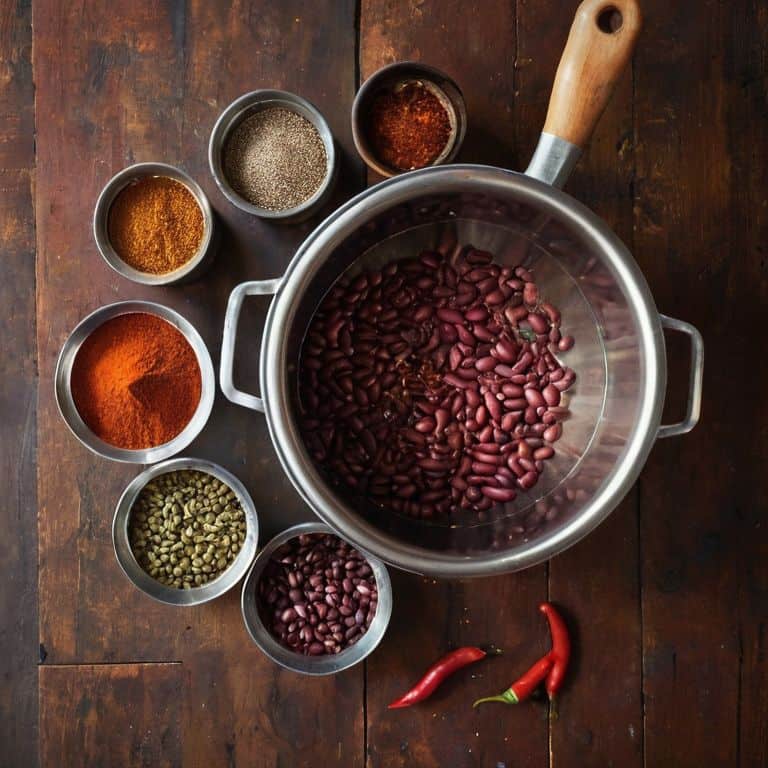
As I delve into the world of dried beans, I’m reminded of the numerous health benefits they offer. Dried beans are packed with nutrients like protein, fiber, and vitamins, making them an excellent addition to a balanced diet. When it comes to cooking them, I’ve found that cooking dried beans without soaking can be a game-changer for those short on time. Simply rinse the beans, add them to a pot with your favorite spices, and let the magic happen.
To take your dried bean dishes to the next level, consider experimenting with best spices for dried beans like cumin, chili powder, or smoked paprika. These flavors will not only add depth to your meals but also complement the natural taste of the beans. I also love using my slow cooker to prepare dried bean recipes, as it allows for hands-off cooking and results in tender, flavorful beans.
For optimal flavor and texture, it’s essential to store dried beans properly. I recommend keeping them in a cool, dry place, away from direct sunlight. When it comes to cooking, pressure cooking dried beans can significantly reduce cooking time, making it a great option for busy days. By incorporating these tips into your cooking routine, you’ll be well on your way to creating delicious, nutritious meals that showcase the humble dried bean in all its glory.
Slow Cooker Magic for Tender Beans
There’s something truly special about coming home to a pot of tender, slow-cooked beans. It’s like a warm hug for your belly and your soul. I love using my slow cooker to revive dried beans, as it’s incredibly easy and hands-off. Simply add your beans, some aromatics, and your favorite spices, and let the magic happen. The low heat and long cooking time break down the beans’ cell walls, making them creamy and delicious.
I’ve found that a slow cooker is especially great for cooking kidney beans, black beans, and chickpeas. Just toss all the ingredients in, set it, and forget it. When you come back, you’ll have a delicious, nutrient-dense meal waiting for you. Plus, the leftovers can be used in a variety of dishes throughout the week, reducing food waste and making healthy eating a breeze.
Unlocking Nutrition With Best Spices
Unlocking Nutrition with Best Spices
When it comes to reviving dried beans, the right spices can make all the difference. I love experimenting with different blends to bring out the natural flavors of the beans. My go-to spices include cumin, coriander, and turmeric, which not only add depth but also provide a boost of antioxidants. By combining these spices with some sautéed onions and garlic, I can create a delicious and nutritious meal that’s packed with fiber, protein, and vitamins.
I’m also a big fan of using bay leaves and thyme to add a subtle, herbal flavor to my bean dishes. These spices are not only delicious, but they’re also rich in vitamins and minerals that can help support immune function and overall health. By using the right spices, I can take my bean dishes from bland to grand, and make healthy eating a joy, not a chore.
My Top 5 Secrets to Cooking Delicious Dried Beans from Scratch
- Start with a good sort and rinse: I like to think of this step as giving my beans a little spa day – it’s all about cleaning them up and getting them ready for their big debut in the kitchen!
- Choose the right aromatics: Onions, garlic, and ginger are my go-to trio for adding depth and warmth to my beans – and the best part is, you can use every part of these ingredients to reduce waste
- Don’t be afraid to get creative with spices: I love experimenting with different blends to give my beans a unique flavor – and I always say, the more, the merrier (or should I say, the more spice, the more delight!)!
- Acidity is your friend: A squeeze of fresh lemon juice or a splash of vinegar can make all the difference in breaking down those bean cell walls and bringing out their natural sweetness
- Let them simmer: There’s something so comforting about coming home to a pot of slow-cooked beans – and the best part is, the longer they cook, the more tender and creamy they become, just like a big hug in a bowl
Nourishing Your Way: 3 Key Takeaways for Delicious, Waste-Free Meals
Embracing the simplicity of cooking dried beans from scratch can unlock a world of nutritious, budget-friendly meals that nourish both you and the planet
By incorporating the right spices and seasonings, you can elevate the humble bean into a culinary masterpiece that’s both healthy and delicious, reducing the need for excessive salt or sugar
Whether you’re a fan of slow cooker magic or prefer the thrill of stovetop simmering, the key to tender, mouthwatering beans lies in patience, creativity, and a willingness to experiment with new recipes and ingredients
The Simple Wisdom of Scratch Cooking
Cooking dried beans from scratch isn’t just about saving money or reducing waste, it’s about reclaiming the joy of nourishing ourselves and our loved ones with simple, whole ingredients – one delicious, comforting meal at a time.
Jenna Matthews
Embracing the Joy of Scratch Cooking
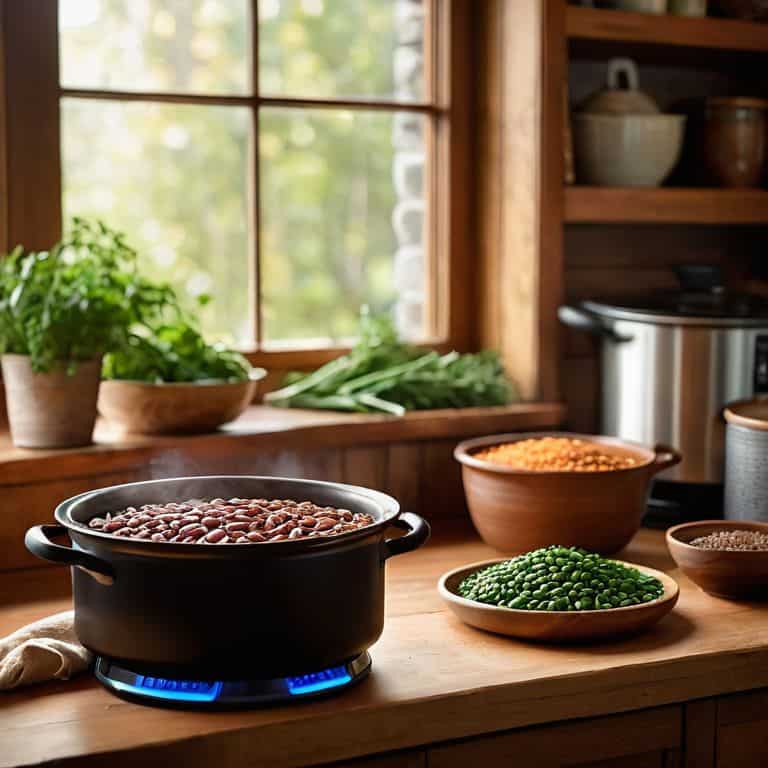
As we’ve explored the world of cooking dried beans from scratch, I hope you’ve discovered that it’s not just about following a recipe, but about embracing a mindset of resourcefulness and nourishment. We’ve covered the simple steps to get you started, from sorting and soaking to simmering and seasoning. We’ve also touched on the importance of unlocking nutrition with the right spices and the magic of slow cookers for tender beans. By incorporating these techniques into your kitchen routine, you’ll not only be reducing food waste but also creating delicious, budget-friendly meals that nourish your body and soul.
As you continue on your journey to cook dried beans from scratch, remember that it’s a process that’s all about experimentation and discovery. Don’t be afraid to try new spices, ingredients, and methods – and always keep in mind that a well-stocked pantry is the key to unlocking a world of culinary possibilities. With a little creativity and patience, you can turn a humble ingredient like dried beans into a culinary masterpiece that brings joy and nourishment to your life and the lives of those you share it with.
Frequently Asked Questions
What are some common mistakes to avoid when cooking dried beans from scratch?
When cooking dried beans from scratch, I’ve found that common mistakes to avoid include not soaking them long enough, which can lead to tough beans, and adding salt too early, which can slow down cooking time. Also, be sure to skim off any foam that rises to the surface to prevent a starchy, cloudy broth.
How can I ensure my dried beans are tender and not mushy?
To achieve tender, not mushy, dried beans, I swear by a simple trick: acidity. Adding a splash of lemon juice or vinegar during cooking helps break down the cell walls, resulting in perfectly cooked beans. It’s a game-changer – trust me, I’ve tried it with my favorite mason jar experiments!
Can I add other ingredients to my beans while they're cooking for extra flavor?
Absolutely, I love adding aromatics like onions, garlic, and carrots to my beans for extra depth of flavor. You can also try throwing in some bay leaves, thyme, or rosemary for a boost of freshness. Just be sure to adjust your seasoning accordingly, and don’t overdo it – you want to enhance the beans, not overpower them!