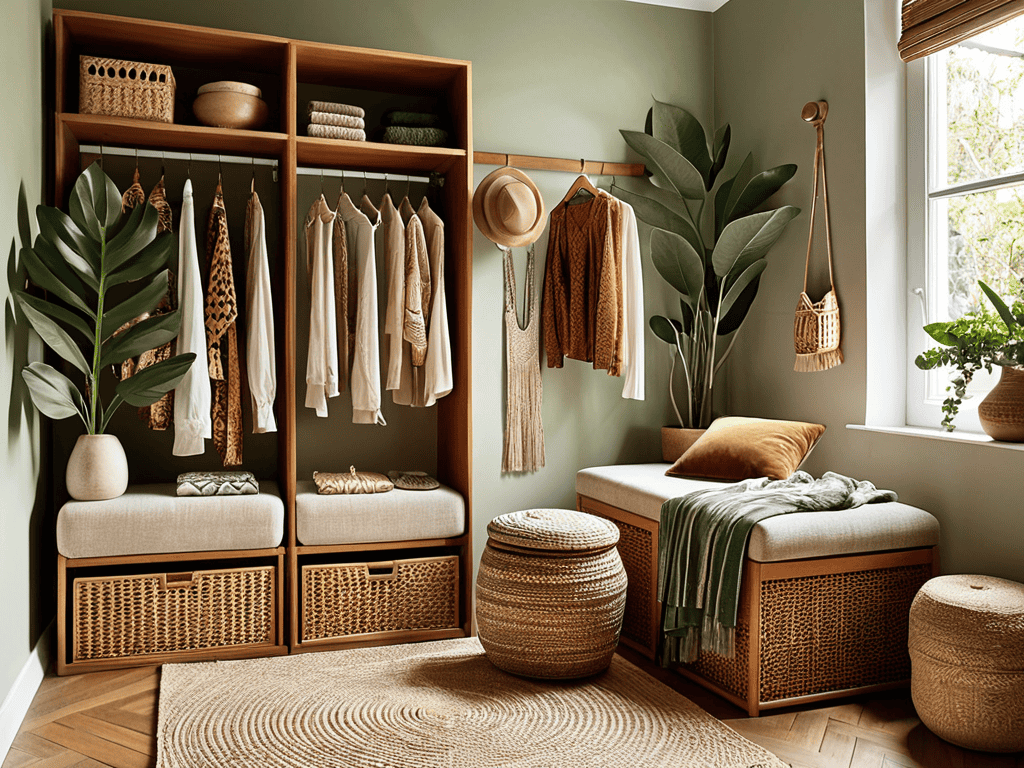
I still remember the day I realized that my wardrobe was not just a reflection of my personal style, but also a significant contributor to the planet’s environmental woes. As someone who’s passionate about living a sustainable lifestyle, I was shocked to discover that the fashion industry is one of the largest polluters in the world. This harsh reality sparked my journey to create a guide to building a conscious and sustainable wardrobe, where I learned that it’s not just about buying eco-friendly clothes, but also about adopting a mindful approach to fashion consumption.
In this article, I’ll share my personal story of transformation, from a fast-fashion enthusiast to a advocate for conscious fashion choices. You’ll learn how to audit your wardrobe, identify areas for improvement, and implement simple yet effective strategies to reduce your environmental footprint. From investing in quality over quantity to exploring alternative fashion models, I’ll provide you with practical tips and tricks to help you build a wardrobe that’s not only stylish but also sustainable. By the end of this guide, you’ll be equipped with the knowledge and inspiration to create a conscious and sustainable wardrobe that aligns with your values and contributes to a more environmentally-friendly fashion industry.
Table of Contents
Guide Overview: What You'll Need
Total Time: several weeks to several months
Estimated Cost: $100 – $1000
Difficulty Level: Intermediate
Tools Required
- Measuring Tape for taking body measurements
- Calculator for calculating clothing costs and budget
- Computer or Smartphone for researching sustainable fashion brands and trends
Supplies & Materials
- Second-hand clothing from thrift stores or clothing swaps
- Sustainable fabrics such as organic cotton, recycled materials, or plant-based textiles
- Clothing repair kit with threads, needles, and patches for mending and altering existing garments
- Notebook or Journal for tracking purchases, wear counts, and personal style evolution
Step-by-Step Instructions
- 1. First, let’s start by taking a hard look at our current wardrobe. I want you to take everything out of your closet, yes, everything, and sort items into three piles: keep, donate/sell, and discard. This is a crucial step in understanding what you have, what you need, and what you can let go of. As someone who’s lived in tiny apartments, I can attest that less is often more, and this exercise will help you embrace that mindset.
- 2. Next, identify the pieces you wear regularly and consider them as the foundation of your new, sustainable wardrobe. Think about the colors and patterns that dominate your keep pile, as these will form the basis of your personal style. For me, living in small spaces has taught me to focus on versatility, so look for items that can be mixed and matched to create multiple outfits.
- 3. Now, let’s talk about the art of mixing high and low. You don’t need to break the bank to build a sustainable wardrobe. Thrift stores, second-hand shops, and online marketplaces can be treasure troves for unique, affordable pieces. I’ve found some of my favorite items in these places, and they add a touch of personal character to my outfits. Remember, it’s about quality over quantity, so invest in a few timeless pieces rather than a bunch of trendy items that may quickly go out of style.
- 4. When it comes to new purchases, adopt a 30-wear rule: before buying something, ask yourself if you’ll wear it at least 30 times. This simple rule can help you avoid impulse buys and invest in pieces that will truly become staples in your wardrobe. I’ve applied this rule to my own shopping habits, and it’s been a game-changer in reducing waste and building a more intentional wardrobe.
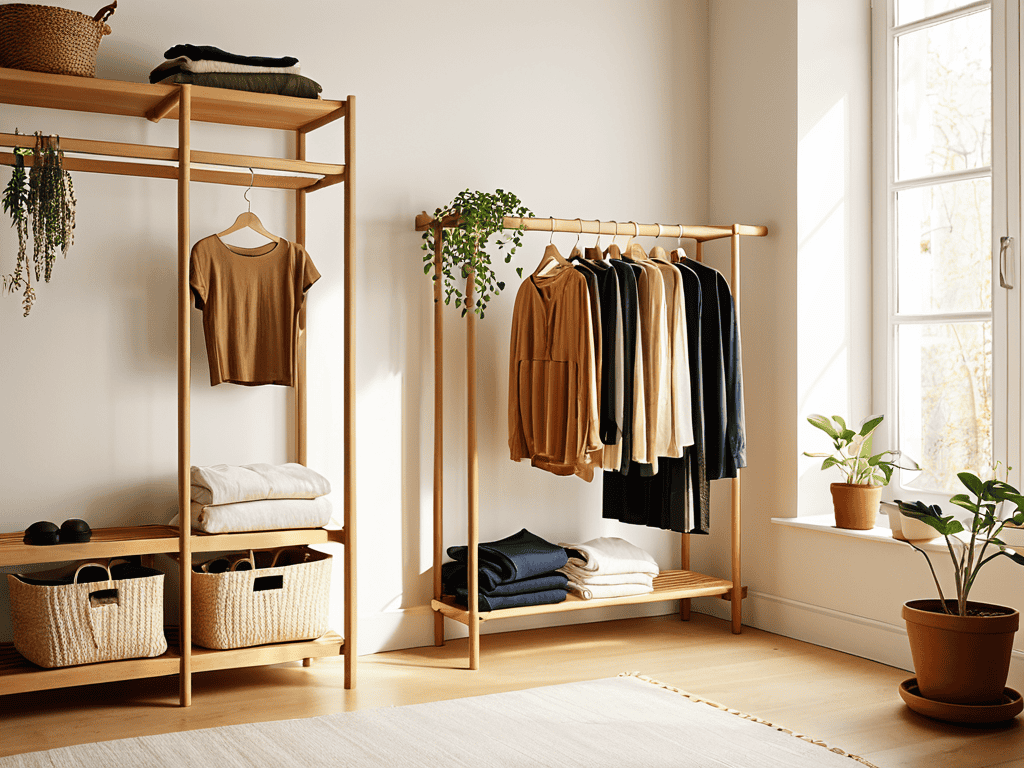
- 5. Learn to care for your clothes properly. This means avoiding fabric softener, which can reduce the absorbency of towels and affect the breathability of your clothes. It also means line-drying your clothes when possible, which can help extend their lifespan. I’ve even started using a clothing rack in my small apartment to air-dry my clothes, and it’s been a great space-saving solution.
- 6. Consider the environmental impact of your laundry habits. Wash your clothes in cold water, as hot water can cause colors to fade and fabrics to degrade more quickly. Also, try to do full loads of laundry to reduce the number of wash cycles. Every small change counts, and making these adjustments can have a significant effect on reducing your carbon footprint over time.
- 7. Finally, make sustainability a habit by incorporating it into your daily life. This might mean setting a reminder to check your local thrift stores for new arrivals, attending clothing swaps with friends, or even learning to repair and alter your own clothes. I’ve started a weekly routine of dedicating a few hours to exploring my neighborhood for hidden gems, whether it’s a vintage shop or a community event, and it’s been a great way to stay connected to my community while also embracing sustainable living.
A Guide to Conscious Wardrobe
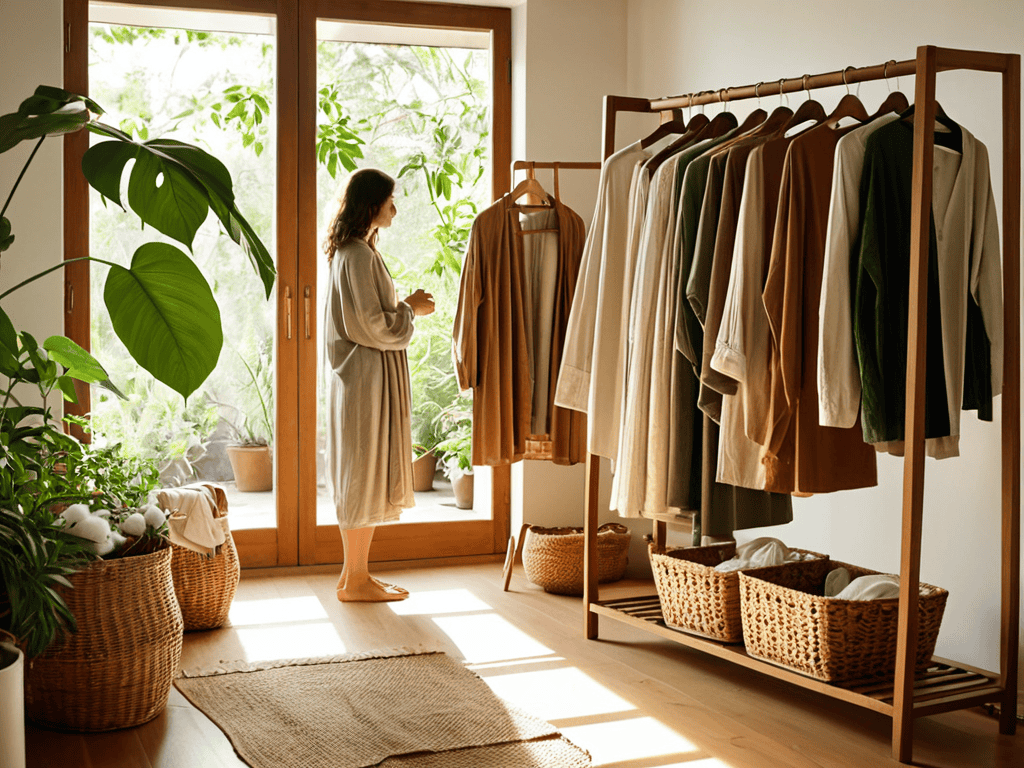
As I delve into the world of conscious fashion, I’ve come to realize that it’s not just about the clothes we wear, but about the stories we tell through our wardrobe choices. The slow fashion movement is all about embracing a more mindful approach to fashion, one that values quality over quantity and encourages us to think about the environmental and social impact of our purchases. By opting for eco-friendly clothing materials and supporting sustainable fashion brands, we can make a significant difference in reducing waste and promoting fair labor practices.
One of the most effective ways to build a conscious wardrobe is by adopting a minimalist mindset. This means focusing on timeless, versatile pieces that can be mixed and matched to create a variety of outfits, rather than buying into fast fashion trends that quickly go out of style. I’ve found that hosting clothing swap and sharing events with friends is a great way to refresh our wardrobes while also reducing waste and having fun.
By embracing these principles, we can move towards a more zero waste fashion approach, one that values creativity and resourcefulness over consumerism. As we continue on this journey, let’s remember that it’s all about progress, not perfection – and that every small step we take towards a more conscious wardrobe can have a profound impact on the planet and our communities.
Eco Friendly Clothing Essentials
As I continue on my journey to build a conscious and sustainable wardrobe, I’ve found that immersing myself in like-minded communities has been incredibly helpful. One of my favorite resources is a local group that hosts workshops and events focused on slow fashion and eco-friendly living – it’s amazing how much you can learn from others who share your values. I recently stumbled upon a website that offers a wealth of information on sustainable fashion, including tips on how to reduce waste and support environmentally-friendly brands, which can be found by visiting escort trans montpellier, and while it may not be directly related to fashion, it’s a great reminder that our choices have a ripple effect on the world around us. By connecting with others and exploring new resources, I’ve been able to make more informed decisions about my wardrobe and feel more confident in my ability to make a positive impact.
When it comes to eco-friendly clothing essentials, I always think about the little things that add up to make a big difference. For me, it’s about investing in a few high-quality, timeless pieces that won’t end up in a landfill after one season. I look for natural fibers like cotton, linen, and bamboo, which are not only gentler on the planet but also ridiculously comfortable against my skin. A classic white shirt, a pair of well-fitted jeans, and a cozy sweater are my go-tos – they’re the foundation of a conscious wardrobe that’s both stylish and sustainable.
Slow Fashion Movement Tips
As I explore the slow fashion movement, I’m reminded of my own experiences navigating tiny shops in Tokyo. It’s about embracing quality over quantity and seeking out timeless pieces. I’ve made it a rule to ask myself if I really need something before buying, and if it’s worth the investment. This mindset shift has helped me build a wardrobe that’s not only sustainable but also tells a story.
By adopting this approach, you can join the slow fashion movement and make a positive impact. Start by investing in a few high-quality, versatile items that can be mixed and matched to create multiple outfits. Consider the environmental and social footprint of your purchases, and support brands that prioritize sustainability and fair labor practices. Every small step counts, and together we can create a more conscious and sustainable fashion industry.
Weaving a More Mindful Closet: 5 Essential Tips
- Start with a closet detox, getting rid of items that no longer fit or suit your style to reduce waste and clarify your fashion vision
- Invest in quality over quantity, opting for timeless pieces that won’t end up in landfills after a single season
- Explore the world of second-hand shopping, not just for its sustainable appeal, but for the unique stories and character each pre-loved item brings
- Learn to care for your clothes in a way that extends their lifespan, from proper washing techniques to creative mending and repurposing
- Embrace the slow fashion movement by supporting brands that prioritize sustainability, transparency, and fair labor practices, recognizing that your purchasing power is a vote for the kind of world you want to live in
Embracing a More Mindful Approach to Fashion
By adopting a slow fashion mindset, we can significantly reduce our environmental footprint and support more ethical production practices, one outfit at a time
Investing in eco-friendly clothing essentials, such as timeless pieces made from sustainable materials, can help us build a wardrobe that’s both stylish and conscious
Ultimately, cultivating a sustainable wardrobe is about more than just the clothes we wear – it’s about fostering a deeper connection with our communities, our planet, and ourselves, through the choices we make every day
Sustainable Style Wisdom
A conscious wardrobe isn’t just about the clothes you wear, but the stories you tell with every thread – it’s a canvas of your values, a reflection of your community, and a testament to the beauty of living with intention.
Noah Burton
Embracing a Conscious Wardrobe: The Path to Sustainable Style
As we’ve explored throughout this guide, building a conscious and sustainable wardrobe requires a combination of intention, creativity, and patience. From embracing the slow fashion movement to investing in eco-friendly clothing essentials, every choice we make has the power to impact not just our personal style, but the planet. By adopting a mindset that values quality over quantity, and considering the stories behind our garments, we can transform our relationship with fashion and cultivate a more meaningful connection to the clothes we wear.
So, as you embark on this journey towards a more sustainable wardrobe, remember that it’s not just about the clothes themselves, but about the lifestyle they represent. By choosing to prioritize timeless pieces over trendy items, and seeking out brands that align with our values, we’re not only reducing our environmental footprint, but also weaving a narrative that reflects our deepest aspirations for a more compassionate, and beautiful world.
Frequently Asked Questions
How can I balance my desire for fashionable clothing with the need to reduce my environmental impact?
For me, it’s about embracing the thrill of the hunt for second-hand gems and investing in timeless pieces that tell a story. I’ve found that one amazing, eco-friendly item can spark an entire outfit, and that’s where the real fun begins – getting creative with what you already have.
What are some affordable and accessible ways to incorporate eco-friendly clothing into my existing wardrobe?
I’m all about mixing high and low, so I say start by swapping out your basics – think socks, underwear, and tees – for eco-friendly alternatives. You can find affordable options at thrift stores or brands like H&M’s Conscious line. It’s a small step, but it’s a great way to dip your toes into sustainable fashion without breaking the bank.
How can I ensure that the sustainable clothing brands I support are truly committed to ethical and environmentally responsible practices?
I always look for third-party certifications like GOTS or Bluesign, and dig into a brand’s transparency reports to see if they’re walking the walk. It’s also crucial to read reviews and hear from other customers to get a sense of a brand’s real commitment to sustainability.