I still remember the day I realized that eating more vegetables wasn’t just about adding a side salad to my meals. I was working at a community health clinic, and a client mentioned that she couldn’t afford to buy fresh produce for her family. It broke my heart, but it also sparked a passion in me to find ways to make healthy eating accessible to everyone. As a holistic nutritionist, I’ve learned that how to eat more vegetables is not just about having a big budget or a large kitchen – it’s about being creative and resourceful with what you have.
In this article, I’ll share my favorite tips and tricks for incorporating more veggies into your diet, even if you’re short on time or space. You’ll learn how to turn last night’s leftovers into a nutritious lunch, and how to make the most of your favorite greens. I’ll show you that healthy eating is not just a luxury, but a possibility for anyone, regardless of their circumstances. By the end of this guide, you’ll be equipped with the knowledge and confidence to make vegetable-rich meals a staple in your kitchen, without breaking the bank or feeling overwhelmed.
Table of Contents
Guide Overview: What You'll Need
Total Time: 1 week to develop a new habit
Estimated Cost: $20 – $50 per week for vegetable purchases
Difficulty Level: Easy
Tools Required
- Refrigerator for storing vegetables
- Cutting Board for preparing vegetables
- Cooking Utensils such as a saucepan or steamer
Supplies & Materials
- Assorted Vegetables such as carrots, broccoli, and spinach
- Healthy Recipes found online or in cookbooks
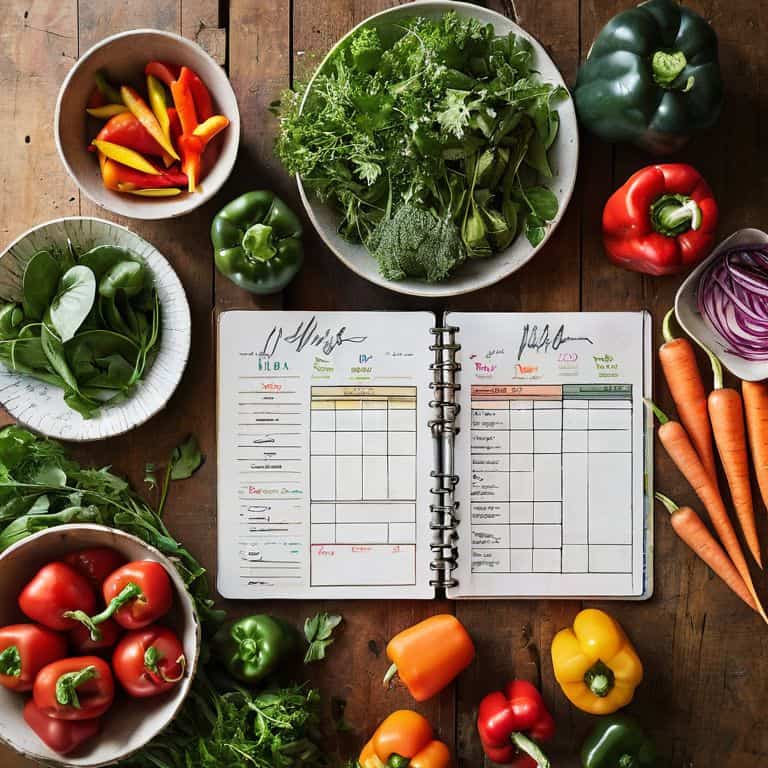
- Meal Planning Calendar to track daily vegetable intake
Step-by-Step Instructions
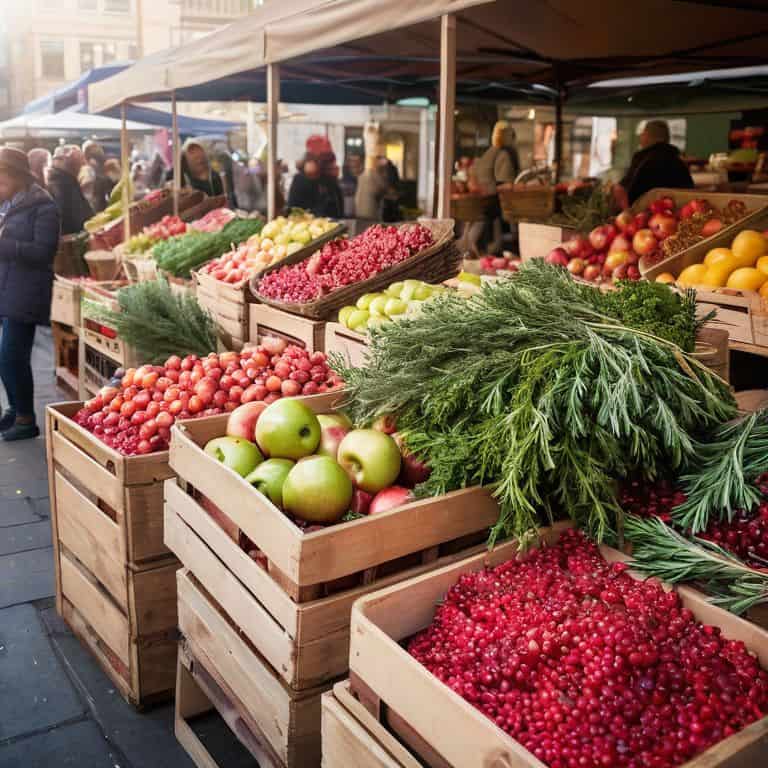
- 1. First, let’s start with meal planning, which is essential for ensuring you have a steady supply of vegetables in your kitchen. I like to plan my meals around what’s in season and available at my local farmers’ market. This not only helps reduce food waste but also supports the local community. Begin by taking some time to think about your favorite vegetables and how you can incorporate them into your meals for the week. Consider making a list or using a meal planning app to stay organized.
- 2. Next, it’s time to go grocery shopping. When I’m at the market or store, I try to buy vegetables that are in season and on sale. This helps me stay within my budget and ensures that I’m getting the freshest produce possible. Don’t be afraid to ask the farmers or store staff about the best ways to prepare the vegetables you’re buying – they often have great tips and tricks to share.
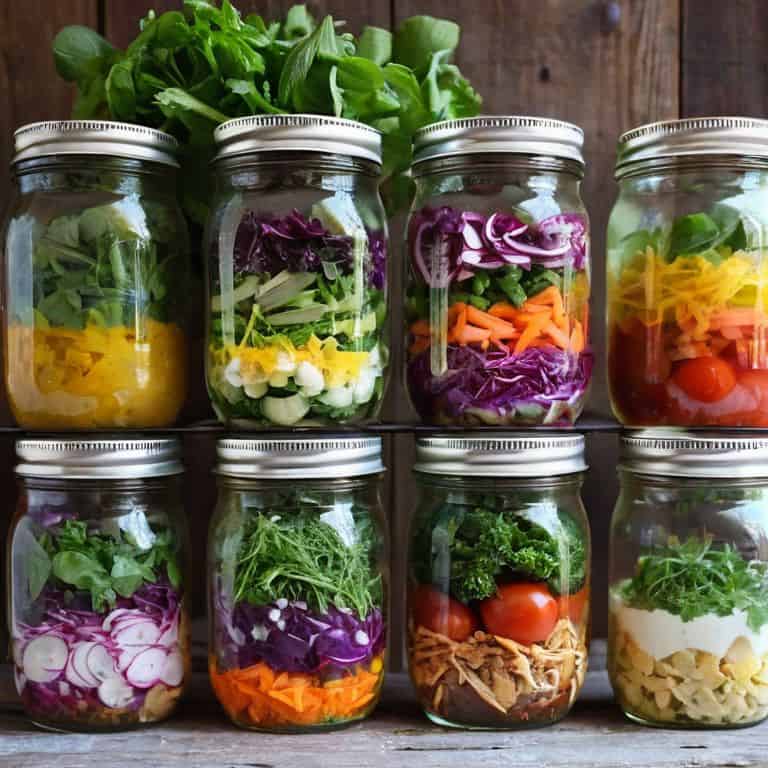
- 3. Now that you have your vegetables, it’s time to start prepping. I like to wash and chop my vegetables as soon as I get home from the store, so they’re ready to go for the week. This can be as simple as washing a bunch of kale and storing it in a mason jar in the fridge, or chopping up a few carrots and celery stalks for snacking. By having your vegetables prepped and ready, you’ll be more likely to reach for them when you’re looking for a quick snack.
- 4. One of my favorite ways to get more vegetables into my diet is by making a big batch of soup on the weekend. I like to use a variety of vegetables, such as carrots, potatoes, and onions, and then blend them together with some broth for a delicious and nutrient-dense meal. This can be a great way to use up any vegetables that are approaching the end of their freshness, and it’s also a fantastic way to meal prep for the week.
- 5. Another great way to get more vegetables into your diet is by adding them to your breakfast routine. I like to add spinach or kale to my omelets, or use roasted vegetables as a topping for my toast. You can also try making a breakfast burrito with scrambled eggs, black beans, and sautéed vegetables – it’s a great way to start the day off right.
- 6. If you’re looking for a quick and easy way to get more vegetables into your diet, consider trying fermentation. I like to make a big batch of kimchi or sauerkraut on the weekend, and then use it as a topping for my meals throughout the week. Fermentation is a great way to preserve vegetables and add some extra nutrition to your diet.
- 7. Finally, don’t be afraid to get creative with your vegetables. I like to try new recipes and experiment with different flavors and combinations. Consider making a vegetable stir-fry with your favorite vegetables, or trying your hand at grilling some vegetables for a delicious summer side dish. By thinking outside the box and trying new things, you’ll be more likely to stay excited about eating vegetables and find new ways to incorporate them into your diet.
Veggie Delights for All
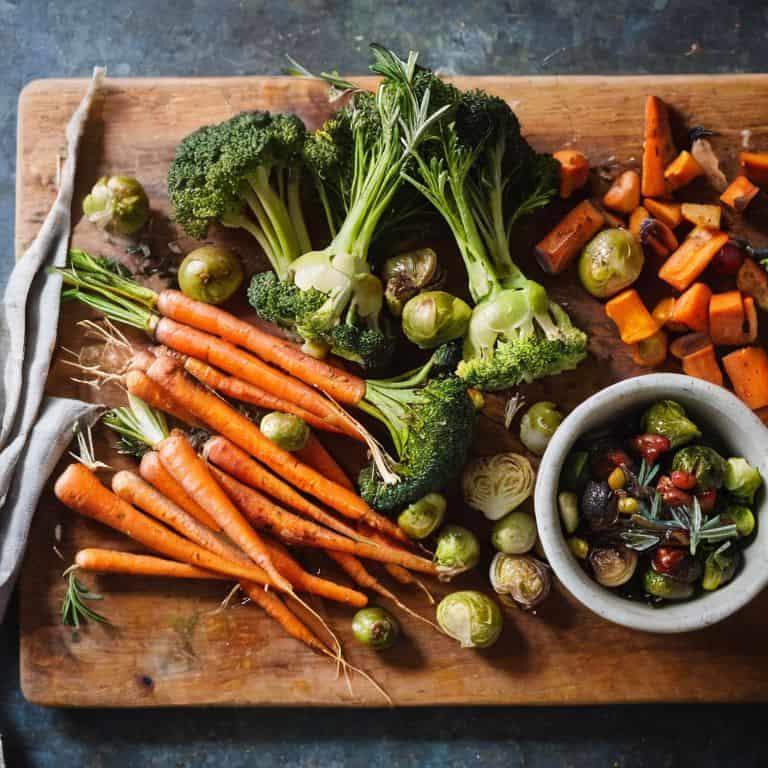
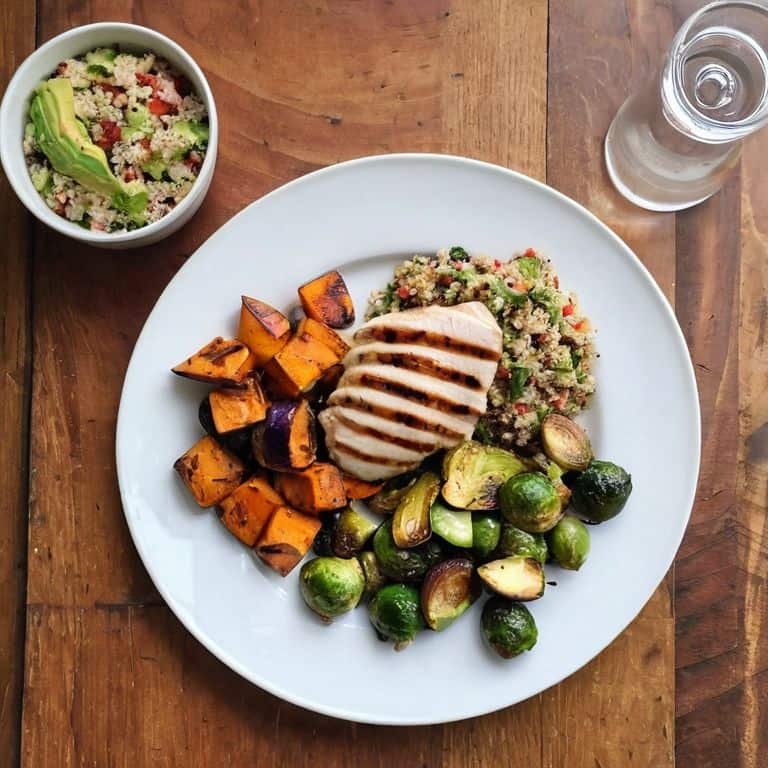
As I always say, increasing daily vegetable intake is all about creativity and flexibility. One of my favorite ways to add more veggies to my meals is by trying out new roasted vegetable recipes. There’s something magical about transforming a humble carrot or broccoli floret into a caramelized, sweet, and savory delight. I love experimenting with different seasonings and spices to bring out the natural flavors of each vegetable.
When it comes to meal planning, I’m a big fan of sneaking vegetables into meals in unexpected ways. For example, adding finely chopped spinach to your favorite smoothie or mixing grated zucchini into your homemade pasta sauce. Not only does this boost the vegetable nutrition benefits, but it also adds texture and depth to your dishes. Plus, it’s a great way to get kids to eat more veggies without even realizing it – healthy vegetable snacks for kids have never been easier!
In my own kitchen, I love whipping up a big batch of roasted veggies on the weekend and using them throughout the week in different meals. It’s amazing how a simple head of cauliflower can be transformed into a hearty soup, a crispy snack, or even a flavorful rice substitute. By getting creative with your vegetable meal planning, you can enjoy a wide variety of delicious and nutritious meals without breaking the bank or feeling overwhelmed.
Roasted Veggie Recipes for Beginners
I just love roasting veggies – it’s such an easy way to bring out their natural sweetness. For beginners, I recommend starting with simple recipes like roasted carrots or broccoli. Just toss your veggies in a little olive oil, salt, and pepper, and roast in the oven until tender. You can also add some garlic or lemon juice for extra flavor. I like to roast a big batch on the weekends and use them throughout the week in different meals. It’s a great way to add some nutrients and flavor to your dishes without much fuss. Plus, it’s a very forgiving method, so don’t worry if you’re new to cooking – your veggies will still turn out delicious!
Sneaking Veggies Into Meals
Sneaking Veggies into Meals
I love finding creative ways to add veggies to my favorite dishes. One of my go-to hacks is adding finely chopped spinach or kale to pasta sauces, soups, or stir-fries. You can also grate carrots or zucchini and mix them into meatballs or burgers for an extra nutrient boost. Another trick is to blend cooked veggies into hummus or guacamole for a creamy, healthy dip.
These sneaky additions not only increase the veggie content of your meals but also add flavor and texture. Plus, they’re a great way to use up leftover veggies and reduce food waste. Get experimental and find your own favorite ways to sneak veggies into your meals – your body and taste buds will thank you!
My Top 5 Tips to Get You Loving Veggies
- Start small and get familiar with one new veggie a week – it’s amazing how quickly you can fall in love with a new flavor!
- Shop the seasons and visit your local farmer’s market for the freshest picks – your taste buds and the planet will thank you!
- Make a big batch of roasted veggies on the weekend and use them throughout the week in different meals – it’s a total game-changer for busy days!
- Get creative with your leftovers and turn last night’s dinner into tomorrow’s lunch – a little imagination can go a long way in reducing food waste!
- Keep it simple and focus on adding veggies to the meals you already love – whether it’s tossing some spinach into your favorite smoothie or adding sliced bell peppers to your pizza, every little bit counts!
Nourishing Your Way: 3 Key Takeaways
I’ve learned that even the smallest kitchens can become hubs for healthy, vibrant living by focusing on resourceful cooking and reducing food waste
By incorporating simple hacks like ‘root-to-stem’ cooking and meal planning, you can make the most of your favorite vegetables and enjoy nutritious meals without breaking the bank
Remember, the journey to wellness is all about progress, not perfection – start with one small change today, like adding a new veggie to your routine or trying out a fermented recipe, and watch your habits transform over time
Nourishing Wisdom
The simplest way to eat more vegetables is to start seeing them as the stars of your plate, not just the supporting actors – get creative, get curious, and watch your meals transform into vibrant, nourishing celebrations!
Jenna Matthews
Embracing a Veggie-Rich Lifestyle
As we’ve explored throughout this guide, incorporating more vegetables into your daily meals can be a game-changer for your overall health and wellbeing. From sneaking veggies into meals to trying out delicious roasted veggie recipes, there are countless ways to make vegetables a staple in your diet. Whether you’re a beginner or a seasoned pro, the key is to start small and be consistent – even the smallest changes can add up to make a big impact. By embracing a veggie-rich lifestyle, you’ll not only be nourishing your body, but also reducing food waste and saving money in the process.
So, as you embark on this journey to eat more vegetables, remember that it’s all about progress, not perfection. Don’t be too hard on yourself if you don’t see immediate results – every little bit counts, and it’s the small, consistent changes that will ultimately lead to a healthier, happier you. With a little creativity and experimentation, you can turn even the humblest of vegetables into a culinary masterpiece, and make healthy eating a joyful, sustainable part of your daily life.
Frequently Asked Questions
How can I incorporate more vegetables into my diet without feeling like I'm eating the same old salad every day?
I’m all about mixing it up, so try adding different veggies to your favorite soups, stews, or stir-fries. You can also sneak them into pasta sauces, omelets, or even baked goods like muffins or bread. And don’t forget about roasted veggies – they’re a game-changer! Simply toss with olive oil, salt, and your favorite spices, and roast in the oven until tender and caramelized.
What are some creative ways to sneak veggies into meals for picky eaters or kids?
I love sneaking veggies into meals for picky eaters! Try adding finely chopped spinach to pasta sauce, grating carrots into meatloaf, or blending cooked veggies into hummus. You can also make veggie-packed muffins or sneak shredded zucchini into bread recipes. My favorite trick? Using a food processor to hide veggies in familiar favorites like burgers or meatballs!
Are there any specific vegetables that are easier to digest for people with sensitive stomachs or dietary restrictions?
For sensitive stomachs, I swear by gentle veggies like zucchini, carrots, and green beans. They’re easy to digest and perfect for roasting or sautéing. If you’re dealing with dietary restrictions, consider reaching for low-FODMAP options like cucumbers, bell peppers, or leafy greens like kale and spinach.