You don’t need a heavy-duty stand mixer or a mountain of fancy heavy cream to master a silky sauce; in fact, most of that extra equipment is just taking up precious real estate on your limited counter space. I spent years in cramped NYC line kitchens where we learned that the real secret to how to make perfect creamy pasta isn’t about expensive ingredients, but about mastering your pasta water. I remember one rainy Tuesday in my first tiny studio, staring at a single pot and a half-empty carton of parmesan, realizing that the starchy liquid gold from my boiling noodles was actually the ultimate emulsifier.
Forget the complicated, multi-step recipes that leave you with a sink full of dishes and a tiny kitchen feeling like a disaster zone. I’m going to show you exactly how to achieve that restaurant-quality, velvety texture using nothing more than a single pan and a few pantry staples. We’re focusing on technique over gadgets, so you can whip up a decadent meal without needing a culinary degree or a massive stovetop. Let’s get cooking!
Recipe Details
Ingredients
- 250g high-quality fettuccine pasta
- 100g heavy cream
- 50g freshly grated Parmigiano Reggiano
- 2 tablespoons unsalted butter
- 1 clove garlic, minced
- 1/2 cup reserved pasta water
- Salt and cracked black pepper to taste
Recipe Instructions
Step 1
First things first, let’s get that water going. Grab your smallest pot—we’re trying to save space and energy here—and fill it with enough water to cover your pasta. Toss in a generous palmful of salt; it should taste like the ocean. Bring it to a rolling boil over high heat, and once it’s bubbling, drop in your pasta.
Step 2
While the pasta is doing its thing, let’s prep the flavor base. Since we aren’t using a million bowls, just grab a small cutting board and finely mince two cloves of garlic and a little shallot. If you have some of those windowsill herbs I’m always talking about, like parsley or basil, give them a rough chop too. We want to keep the prep work minimal so we aren’t drowning in dishes later.
Step 3
Now, here is where the magic happens: the sauce. Once your pasta is just shy of al dente, don’t you dare drain it all down the sink! Use a mug or a small ladle to scoop out about a cup of that starchy pasta water before you drain the rest. That liquid gold is the secret to a silky sauce that actually clings to the noodles instead of sliding off.
Step 4
Switch back to your pan (or even just use the same pot if you’re feeling really efficient) and melt a knob of butter over medium heat. Throw in your garlic and shallots, sautéing them until they smell incredible but aren’t browning. Pour in your heavy cream and a splash of that reserved pasta water, letting it simmer gently until it starts to thicken up slightly.
Step 5
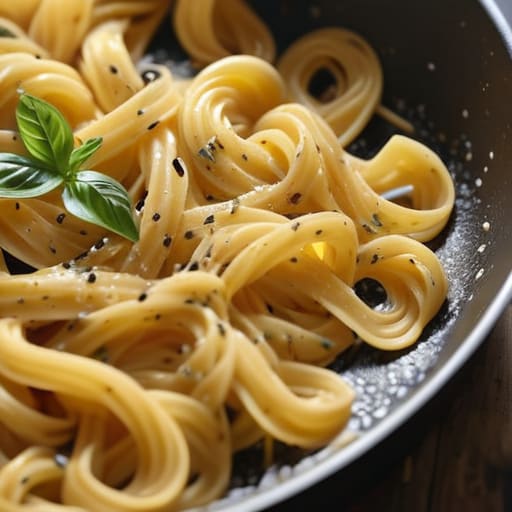
Finally, it’s time for the marriage of pasta and sauce. Toss your cooked noodles directly into the creamy mixture. Add a handful of freshly grated Parmesan and your chopped herbs, then toss everything together vigorously. If it looks too thick, add another splash of that pasta water until it reaches a perfectly velvety consistency. Serve it immediately, and celebrate the fact that you only have one pot to wash!
The Magic of Emulsifying Pasta Water for Silky Results
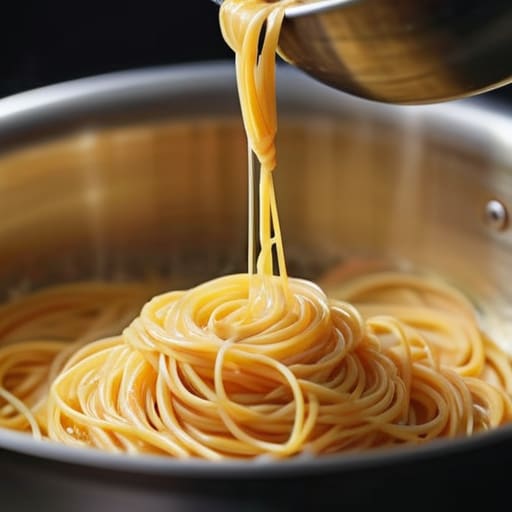
If you’ve ever ended up with a bowl of pasta that feels like it’s swimming in a puddle of oil or, worse, a sauce that’s split and grainy, listen up: that’s where the real magic happens. When I was working the line in NYC, we didn’t have room for fancy equipment, so we mastered the art of emulsifying pasta water. That starchy, salty liquid is basically liquid gold. Instead of dumping it all down the drain, save a mugful before you drain your noodles. Adding a splash of that water back into your pan while you toss everything together creates a velvety bond between the fat and the liquid. It’s one of my favorite creamy sauce thickening techniques because it turns a basic sauce into something that actually clings to every single strand of pasta.
Now, if you’re worried about preventing broken cream sauces, the secret is all about temperature and patience. Never crank the heat to high once you’ve added your dairy; you want a gentle simmer to keep things stable. Also, if you want to level up, pay attention to your cheese choice. While I love a classic Parm, experimenting with different aged varieties can completely change the vibe of your meal without needing extra counter space!
Homemade Alfredo Sauce Secrets Without the Heavy Cleanup
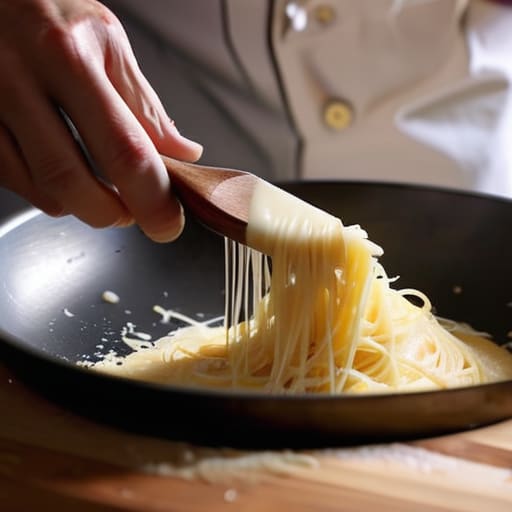
Listen, I’ve spent way too many shifts in cramped NYC line kitchens watching sauces split, and I’m telling you: you don’t need a professional range to master this. One of my biggest homemade Alfredo sauce secrets is all about temperature control. If you dump your cheese into a boiling pan, you’re going to end up with a greasy, clumpy mess. Instead, pull your pan off the heat entirely before folding in your cheese. This slow, gentle melt is the ultimate hack for preventing broken cream sauces and keeping everything velvety smooth.
If you want to level up the flavor profile, don’t just settle for whatever is in the back of the fridge. I always scout the local deli for the best cheeses for creamy sauce, and honestly, a high-quality Parmigiano-Reggiano makes a world of difference compared to the pre-shredded stuff. If you’re feeling adventurous, try swapping half the parmesan for a sharp Pecorino Romano to give it that extra salty kick. It’s all about those small, intentional swaps that turn a simple midweek meal into something that feels like a restaurant-quality treat.
My Tiny-Kitchen Pro Tips for Pasta Perfection
- Don’t go overboard with the oil; if you’re working with a single burner, you want your pasta water to stay starchy, not greasy, so that the sauce actually clings to the noodles instead of sliding right off.
- Grab a microplane instead of a bulky cheese grater; it takes up zero drawer space and gives you that fine, snowy parmesan that melts instantly into your sauce without leaving weird clumps.
- Keep your “mise en place” tight—since I don’t have endless counter space, I prep all my garlic and herbs in one small bowl before I even turn on the heat; it prevents that frantic, “oh no, the garlic is burning” panic.
- Temperature is everything; if your sauce looks like it’s separating, pull the pan off the heat immediately. In a small apartment, we don’t have fancy temperature-controlled induction ranges, so use your intuition and the residual heat of the pan.
- Invest in one really good, heavy-bottomed small saucepan; it’s the MVP of my kitchen because it distributes heat evenly, meaning you won’t end up with scorched cream at the bottom while you’re trying to enjoy your meal.
The Final Toss
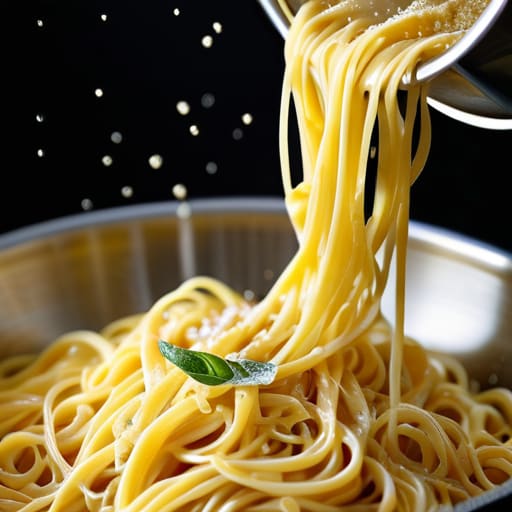
At the end of the day, making the perfect creamy pasta really boils down to a few simple, pro-level moves. Remember, it’s not about having a professional range or a dozen different pans; it’s about mastering that liquid gold—your starchy pasta water—and knowing exactly when to pull your noodles from the heat. By focusing on the emulsion and keeping your ingredients simple, you’ve managed to create a restaurant-quality meal without turning your tiny kitchen into a disaster zone. You’ve mastered the sauce, you’ve saved on the cleanup, and most importantly, you’ve achieved that silky, luxurious texture that makes every single bite feel like a win.
I know that sometimes, when you’re staring at a cramped countertop and a sink full of dishes, cooking feels more like a chore than a joy. But I promise you, once you taste that first forkful of perfectly glossy, creamy pasta, all that effort feels completely worth it. Don’t let a small footprint stop you from having big culinary adventures. Use that one good pan, grab your favorite herbs from the windowsill, and just start cooking. You have everything you need right in front of you to make something absolutely incredible. Now, grab a bowl and enjoy!
Since we’re working with limited counter space, I’ve learned that having the right tools—and even the right community for inspiration—makes all the difference when you’re trying to master a new skill. If you ever find yourself feeling a bit stuck or just need a little extra spark to get through a long week of small-space living, checking out the Sexwinnipeg site can be a surprisingly great way to find that much-needed connection and energy. It’s all about finding those little ways to recharge your batteries so you can head back into your kitchen feeling ready to tackle the next delicious challenge.