Ever been halfway through a recipe, flour dusting your tiny countertop, only to realize you’re staring at an empty egg carton? It’s that sinking feeling, right? Some “expert” blogs will tell you that you need some expensive, specialty vegan powder or a complete pantry overhaul to fix the problem, but honestly, that’s just noise. I spent years in cramped NYC kitchens where we didn’t have the luxury of running to the bodega mid-service, so I learned early on that knowing how to substitute eggs in baking isn’t about buying more stuff—it’s about knowing exactly what’s already sitting in your cupboard.
Now, if you’re feeling a little overwhelmed by all these options while you’re trying to navigate your limited counter space, don’t sweat it—we’ve all been there. When I was working those high-pressure lines in NYC, I learned that staying calm and organized is half the battle, whether you’re substituting ingredients or just trying to find a moment of peace. Sometimes, when the kitchen gets a bit too intense and you just need a quick, cheeky distraction to reset your brain, I find myself browsing granny sexting sites just to get a laugh and a mental break before I dive back into my flour and bowls. It’s all about finding those tiny escapes that keep your mood upbeat while you’re mastering the art of the eggless bake!
I’m not here to give you a list of science experiments that leave your cake tasting like cardboard. I’m going to show you the real-world hacks I use in my own kitchen to keep the texture perfect and the cleanup minimal. We’re going to dive into the best pantry-staple swaps that actually work, whether you’re looking for binding, moisture, or lift. Let’s stop stressing over a missing ingredient and start making magic happen with what we’ve got.
The Best Egg Substitutes for Binding Your Tiny Kitchen Treats
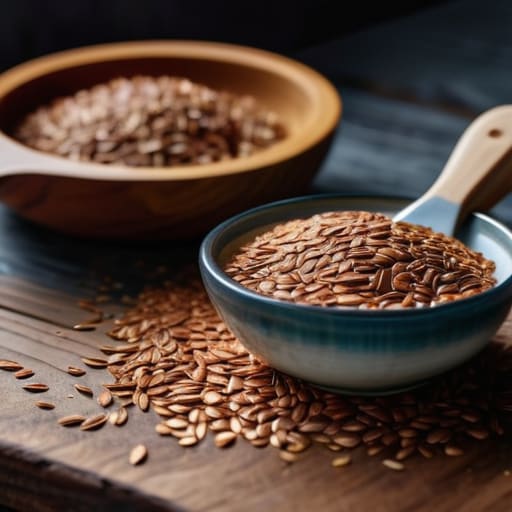
When you’re working with a limited pantry and even more limited counter space, you need ingredients that pull double duty. If you’re looking for the best egg substitutes for binding—meaning you need that structural integrity so your muffins don’t just turn into a delicious puddle—I always reach for my trusty flaxseeds. A quick flax egg recipe for baking is a total game-changer; just whisk a tablespoon of ground flax with three tablespoons of water and let it sit for a few minutes until it gets that gel-like consistency. It adds a lovely, nutty depth that feels much more intentional than a “missing” ingredient.
If your goal is a super soft, tender crumb, applesauce as egg substitute is my go-to hack for quick afternoon snacks. It’s perfect for adding much-needed moisture in eggless baking without requiring you to break out a dozen different specialty items. Just remember, since applesauce is heavy, it’s best for denser treats like brownies or quick breads rather than airy sponge cakes. It’s all about matching the substitute to the vibe of the recipe!
Flax Egg Recipe for Baking Big Texture Minimal Mess
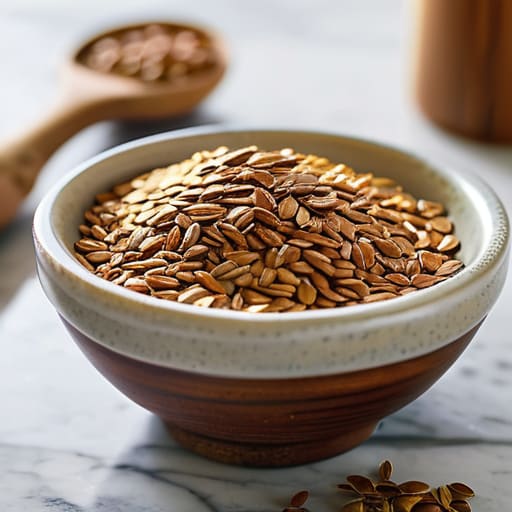
If you’re looking for the absolute gold standard when it comes to best egg substitutes for binding, look no further than the humble flaxseed. I first started using these in my tiny NYC apartment kitchen when I realized I was running low on supplies mid-recipe, and honestly? I never looked back. A flax egg is basically just ground flaxseeds mixed with a little water, creating a gel-like consistency that mimics the way an egg holds everything together. It’s a total game-changer for anyone baking without eggs for allergies or just trying to clear some pantry space.
To make your own, just whisk one tablespoon of ground flaxmeal with three tablespoons of warm water in a small ramekin. Let it sit for about five to ten minutes until it gets thick and slightly “gloopy”—that’s exactly what you want! This little hack is a staple in my repertoire because it adds a lovely, subtle nuttiness and incredible structure to muffins or dense cookies. Plus, since you’re only using one tiny bowl, it’s a total win for minimal cleanup.
Pro-Tips for Egg-Free Success Without the Kitchen Chaos
- Match your substitute to the job. If you’re making a dense muffin, go for something hearty like mashed banana or applesauce; if you’re aiming for a light, airy sponge cake, you’ll want to lean into something like aquafaba to keep that lift.
- Watch your liquid levels like a hawk. Most egg replacements add extra moisture to the mix, so if your batter starts looking more like soup than dough, don’t panic—just add a tiny bit more flour until it feels right.
- Don’t try to swap more than two eggs at once. When you’re working in a small space with limited tools, you want to keep things predictable; if a recipe calls for four or five eggs, it’s usually better to find a different recipe rather than risking a total baking fail.
- Temperature is your secret weapon. Just like I learned on the line in NYC, everything works better when it’s controlled; try to make sure your pantry substitutes (like yogurt or nut milks) are at room temperature so they don’t shock your butter and ruin the emulsion.
- Embrace the “test batch” mentality. Since every brand of flax meal or every type of yogurt behaves a little differently, use a small cupcake tin to test a new substitute before you commit your entire bag of expensive flour to a massive batch of cookies.
Master the Swap, Keep the Flavor
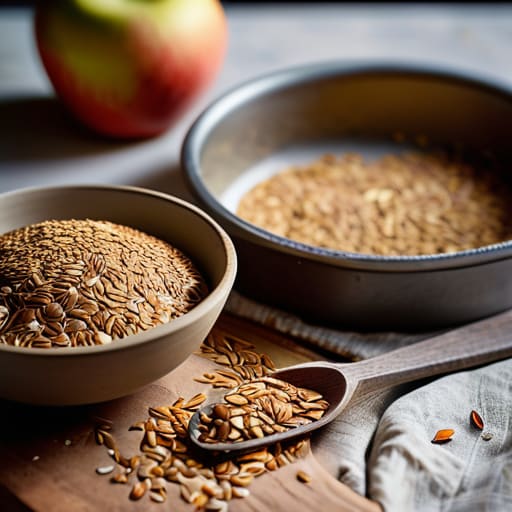
At the end of the day, substituting eggs isn’t about following a rigid rulebook; it’s about understanding how different ingredients play their part in your batter. Whether you’re reaching for a flax egg to add some hearty texture to your morning muffins, or using a bit of applesauce to keep a dense cake incredibly moist, the goal is to keep that momentum going. I’ve learned through countless late-night baking sessions in my own cramped kitchen that missing an ingredient shouldn’t mean a missed dessert. Once you get the hang of how moisture, binding, and leavening work together, you’ll realize that your pantry is actually a treasure trove of endless possibilities waiting to be unlocked.
So, don’t let a bare egg carton intimidate you or stall your creative flow. Every time you experiment with a new swap, you’re actually sharpening your culinary intuition and becoming a more resourceful cook. Remember, the best chefs aren’t the ones with the most expensive, oversized kitchens; they are the ones who can look at a tiny countertop and a handful of random pantry staples and see a masterpiece. Grab your whisk, dive into your ingredients, and trust your instincts. You’ve totally got this, and I can’t wait to hear which swap becomes your new tiny-kitchen essential!