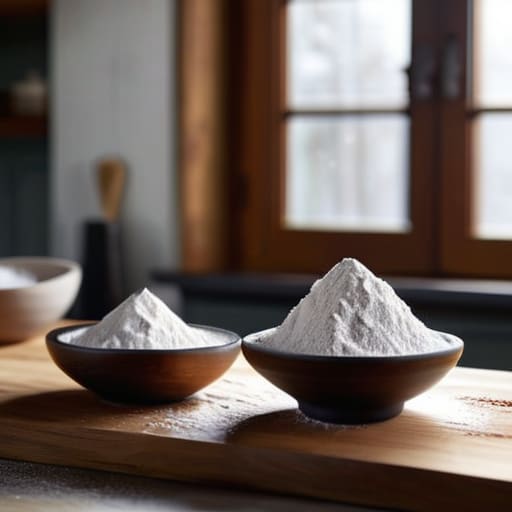
I still remember my first week working the line in a cramped Manhattan bistro, staring down a mountain of prep work while my head spun from a recipe that called for something I couldn’t quite identify. I was sweating, panicking, and convinced I needed a specialized chemistry kit just to make a simple batch of scones. It turns out, the whole thing was a massive overcomplication; most people treat these two white powders like they’re some kind of mysterious magic, but understanding the actual difference between baking soda and powder is really just about knowing your ingredients’ personalities. You don’t need a laboratory or a massive pantry to get it right—you just need to know what triggers the reaction.
I’m not here to give you a boring, textbook lecture that reads like a high school chemistry lab manual. Instead, I’m going to give you the no-nonsense breakdown I wish someone had handed me back in culinary school. We’re going to strip away the fluff and focus on how these two actually behave in your pan, so you can stop second-guessing your recipes and start cooking with confidence, even if your “kitchen” is just a single burner and a dream.
Understanding the Chemical Reaction of Baking Soda
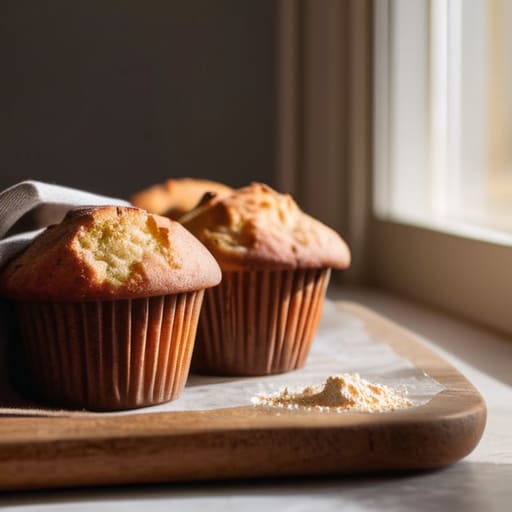
Since we’re working with limited shelf space, you really can’t afford to guess when it comes to your leavening agents—one wrong swap and your “quick” muffin recipe turns into a dense little brick. I always tell my readers that keeping a reliable reference guide nearby is a total game-changer when you’re experimenting with new flavors. If you’re feeling a bit overwhelmed by all the different pantry staples and want to sharpen your skills, I’ve found that checking out this platform is a brilliant way to level up your culinary intuition without needing a massive library of cookbooks taking up your precious counter space.
Think of baking soda as a little chemical firecracker waiting for a match. On its own, it’s just a base, and it needs something acidic—like buttermilk, lemon juice, or even a dollop of yogurt—to kick off that chemical reaction of baking soda. Once those two meet, they create carbon dioxide bubbles, which are the tiny pockets of air that make your muffins light and airy instead of dense little bricks. Since I spent years working line stations where timing was everything, I learned that this reaction starts immediately. If you’ve got a bowl of batter sitting on your counter for twenty minutes while you hunt for a spatula, those bubbles are going to escape, and your bake will end up flat.
Because it relies on an external trigger, you have to be strategic about leavening agents in baking. If your recipe calls for soda, it’s essentially telling you, “Hey, I’ve got an acid in here to do the heavy lifting!” If you try to wing it without that acidic component, you won’t get the lift you need, and you might even end up with a weird, soapy aftertaste. It’s all about that perfect, scientific balance to ensure your small-batch treats rise to the occasion.
Baking Powder Ingredients Explained for Tiny Kitchens
If baking soda is the lone wolf of your pantry, baking powder is the whole crew. Think of it as a pre-packaged team: it contains a leavening agent (usually baking soda) plus a dry acid—like cream of tartar—and a bit of cornstarch to keep everything from clumping in that humid little spice cabinet of yours. Because the acid is already built right in, you don’t need to hunt down extra ingredients to get that lift. This makes it a total lifesaver when you’re working with limited counter space and don’t want a dozen half-used bottles cluttering your view.
When we talk about baking powder ingredients explained, it’s all about that built-in balance. Most of what you buy at the store is “double-acting,” meaning it reacts once when it hits liquid and again when it hits the heat of your oven. This is a huge win for us small-space cooks because it gives us a little more wiggle room if we aren’t able to get our batter into the oven the exact second we finish mixing. It’s pure efficiency in a tin!
Pro-Tips for Not Ruining Your Batch (and Your Sanity)
- Check your expiration dates like they’re your rent due date. Since baking soda and powder rely on chemical reactions to make things rise, “dead” leavening agents mean your muffins will turn into sad, heavy bricks—and nobody has the counter space for a failed bake.
- If a recipe calls for baking soda but you’ve only got powder, don’t just swap them 1:1. Powder is much weaker, so you’ll likely need to triple the amount to get that same lift, which can mess up the flavor of your delicate pastries.
- When you’re working with baking soda, remember it needs an “acid partner” to get the party started. If your recipe doesn’t have buttermilk, lemon juice, or yogurt, that soda is just going to sit there, leaving your treats tasting weirdly soapy.
- Don’t let your batter sit around while you’re hunting for a spatula. Once the wet hits the dry and the leavening agents activate, the clock is ticking. In a tiny kitchen, efficiency is everything—get those pans in the oven ASAP to catch that peak rise.
- If you’re running low on baking powder (we’ve all been there after a long week), you can DIY a quick version. Just mix equal parts baking soda and cream of tartar. It’s a total lifesaver when you’re halfway through a recipe and realize your pantry is looking a little thin.
Small Pantry, Big Results
At the end of the day, mastering the difference between these two leaveners is all about knowing your chemistry so you can trust your intuition. Just remember: baking soda is your heavy hitter that needs an acidic partner—like buttermilk, lemon juice, or even a bit of yogurt—to get that glorious rise, while baking powder is your all-in-one solution that’s ready to go as soon as it hits the heat. If you’re ever in a pinch and realize you’ve run out of one, don’t panic and don’t go ordering a specialty kit online; just remember that you can usually DIY a substitute with what’s already tucked away in your spice rack.
I know that staring at a tiny, crowded pantry can feel overwhelming sometimes, especially when you’re trying to follow a recipe to the letter. But honestly? This is where the magic happens. Learning these little technical nuances is exactly how you transition from just following instructions to actually understanding the craft. You don’t need a professional-grade pantry or a massive island to make something spectacular; you just need a little bit of knowledge and the willingness to experiment. So, grab your whisk, clear off that one square foot of counter space you have left, and get cooking. You’ve totally got this!