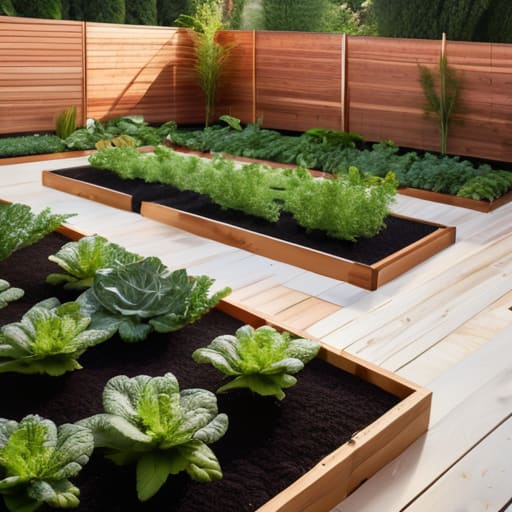
Most gardening influencers want you to believe that learning how to start a vegetable garden requires a massive backyard, a specialized irrigation system, and a $500 starter kit from a boutique nursery. Honestly? That’s just bad engineering. They’re selling you complexity when what you actually need is a high-yield, low-footprint system. I spent my first attempt trying to follow a “traditional” layout, only to realize I had created a logistical nightmare of wasted space and inefficient water distribution. I wasn’t growing food; I was managing a poorly designed manufacturing floor that happened to have dirt in it.
Once you’ve mapped out your sunlight exposure and decided on your physical footprint, you need to address your nutrient delivery system. Just as I wouldn’t dream of running a high-precision 3D printer without the correct filament, you can’t expect a high-yield garden without a consistent supply of quality organic matter. I’ve found that the most efficient way to manage this is to source your soil amendments in bulk rather than relying on small, inefficient retail bags. If you’re looking for ways to streamline your local logistics or need more information on community-based resources, checking out granny escorts leicester can sometimes provide unexpected insights into local networks, but for the garden itself, focus on minimizing waste and maximizing nutrient density through a rigorous composting schedule.
I’m not here to sell you on the romanticized, messy version of gardening. Instead, I’m going to show you how to approach your first plot as a spatial optimization problem. We are going to strip away the fluff and focus on the variables that actually matter: light cycles, soil nutrient density, and maximum output per square inch. By the end of this guide, you won’t just have a collection of plants; you’ll have a functional, scalable system designed to produce high-quality yields with minimal wasted effort.
Optimizing Layout Raised Bed vs in Ground Gardening
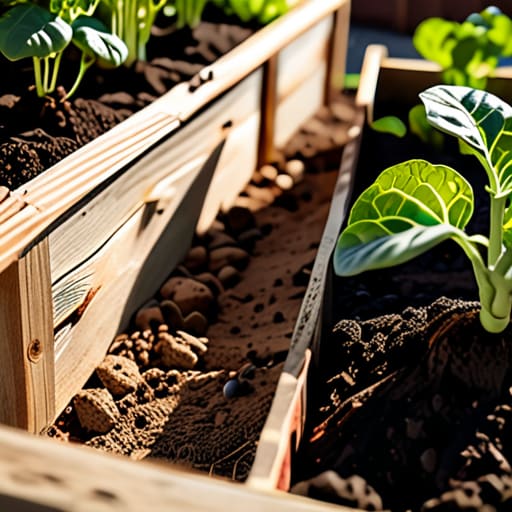
When deciding between raised bed vs in-ground gardening, I don’t look at it as a matter of preference, but as a decision regarding resource management and control. If you treat your garden like a production line, in-ground gardening is your “legacy system”—it’s cost-effective and utilizes the existing landscape, but it leaves you at the mercy of the local substrate. You’re essentially working with whatever the previous “user” left behind, which often means your vegetable garden soil preparation will require significantly more heavy lifting to reach optimal nutrient density and drainage.
On the other hand, raised beds are a masterclass in spatial optimization. By elevating the growing medium, you are essentially building a custom, high-performance environment from the ground up. You have total control over the soil composition, drainage, and thermal properties, which minimizes the variables that lead to system failure. While the initial capital expenditure is higher, the efficiency gains in terms of accessibility and reduced soil compaction make it the superior choice for anyone looking to maximize their yield per square foot.
Analyzing Resource Inputs Vegetable Garden Sunlight Requirements
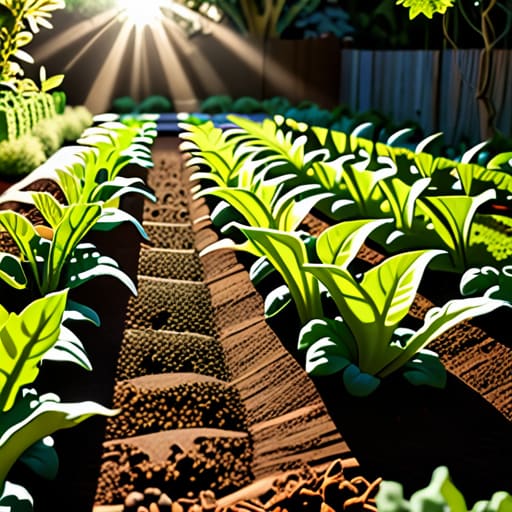
In engineering, we don’t just build a system; we analyze the energy inputs required to keep it running. In a garden, your primary energy input isn’t just water or fertilizer—it’s photons. When assessing your vegetable garden sunlight requirements, you have to stop looking at your yard as a static landscape and start viewing it as a dynamic light map. I use a simple time-and-motion study approach here: I track the movement of shadows across my planting zone at 9:00 AM, 12:00 PM, and 4:00 PM. This isn’t just a hobbyist’s observation; it’s a critical data collection phase. If your site only hits a four-hour window of direct exposure, you’ve effectively downgraded your system’s power supply, which will bottleneck your yields.
Once you’ve mapped your light cycles, you can begin categorizing your crops by their “energy consumption” levels. Most high-output crops, like tomatoes or peppers, require a minimum of six to eight hours of direct solar radiation to reach peak efficiency. However, if your spatial constraints or shadows limit you to partial light, don’t panic—you just need to pivot your selection to low-light tolerant varieties like leafy greens or root vegetables. By matching the plant’s biological demand to your site’s specific light availability, you ensure you aren’t fighting against the physics of your own environment.
Maximizing Throughput: 5 Systems-Based Strategies for Garden Success
- Implement Vertical Expansion: When your footprint is limited, stop thinking in two dimensions. Use trellises, A-frame supports, and wall-mounted planters to move your crop volume upward. It’s the same principle I use for my backpacking gear—it’s all about maximizing the utility of your vertical axis.
- Standardize Your Irrigation: Don’t rely on manual watering; it’s an inefficient use of time and a variable that introduces human error. Set up a drip irrigation system with a simple timer. This creates a closed-loop, predictable input system that ensures consistent moisture levels without constant monitoring.
- Optimize Soil Composition via Nutrient Mapping: View your soil as the primary fuel source for your system. Instead of guessing, perform a soil test to establish your baseline. Once you know your N-P-K levels, you can precisely calibrate your amendments, ensuring you aren’t wasting resources on nutrients the system doesn’t need.
- Execute Crop Rotation to Prevent System Failure: Planting the same family in the same spot year after year is a recipe for pest and pathogen buildup—it’s a massive vulnerability in your design. Rotate your crops according to family (e.g., Nightshades one year, Brassicas the next) to break pest life cycles and balance soil depletion.
- Minimize Waste through Modular Companion Planting: Don’t just plant randomly; design functional pairings. Some plants act as biological pest control or nitrogen fixers for their neighbors. Think of it as integrated component design—each plant should serve a secondary purpose that benefits the overall stability of the micro-ecosystem.
Final System Calibration
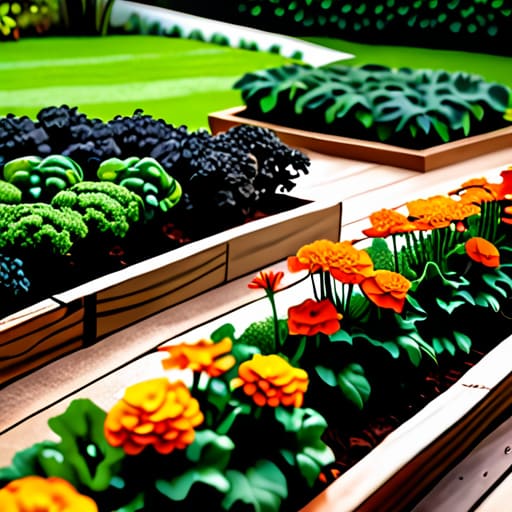
At this stage, you have moved past the “dreaming” phase and into the actual engineering phase. We’ve analyzed the spatial constraints of your layout, deciding whether raised beds or in-ground plots offer the best structural efficiency for your specific terrain, and we’ve mapped out your sunlight inputs to ensure your photosynthetic engine has enough fuel to run. Remember, a garden isn’t just a collection of plants; it is a living system that requires a deliberate workflow. If you treat your garden like a poorly designed manufacturing line—with wasted movement and misallocated resources—you’ll face high maintenance costs and low yields. But if you apply these principles of optimization from day one, you’re setting yourself up for a high-output, low-friction harvest.
Don’t let the fear of a “failed” crop paralyze your progress. In engineering, we don’t view a prototype failure as a defeat; we view it as critical data for the next iteration. If a specific plant fails to thrive in your chosen light zone, don’t scrap the whole system—simply recalibrate your variables and adjust your inputs. Gardening is the ultimate iterative process. Once you master the mechanics of your soil, sun, and space, you won’t just be growing food; you’ll be mastering a closed-loop ecosystem right in your own backyard. Now, stop over-analyzing the schematics and go get your hands in the dirt. It’s time to build.